

Air Blower for LiDAR Cleaning in Autonomous Vehicles: Why Automotive-Grade Sensor Blowers Are Essential for ADAS Safety
The Hidden Safety Hazard: LiDAR and ADAS Sensor Contamination in Real-World Driving Environments
Modern Level 2+ through Level 5 autonomous vehicles rely on a multi-modal perception suite comprising Light Detection and Ranging (LiDAR) sensors, optical cameras, RADAR modules, and ultrasonic transducers. Together, these sensors generate a 360-degree, real-time spatial map of dynamic traffic environments. A typical Level 4 autonomous taxi architecture may feature up to 30 external sensors mounted across the vehicle body—including roof pods, side mirrors, front grilles, and rear bumpers.
Because these optical sensors are mounted on the exterior vehicle envelope, their protective covers and optical glass are constantly exposed to severe environmental hazards. Rain droplets, airborne dust particles, insect residue, highway splash mud, and winter road salt form non-uniform films on the optical surfaces. Even microscopic surface contamination degrades sensor performance exponentially:
- LiDAR Range Degradation: A microscopic layer of dust or water mist scatters outgoing laser pulses, causing signal attenuation. Controlled testing shows that light surface dust can reduce a 1550nm or 905nm LiDAR's effective detection range by up to 70%, severely shortening the vehicle's safe braking distance horizon.
- Point Cloud Noise & Ghosting: Water droplets and dried mud act as unpredictable lenses, creating false-positive obstacles (ghost objects) or masking actual pedestrians within blind zones.
- Camera & Perception Blindness: Optical cameras suffer from glare, reduced contrast, and total pixel blockage, which destabilizes neural network lane-detection and sign-recognition algorithms.
While machine learning perception software incorporates digital noise filtering, algorithms cannot physically remove solid debris or liquid films from optical glass. This physical limitation makes hardware-based active sensor cleaning mandatory for autonomous vehicle functional safety (ISO 26262). To meet stringent international safety standards such as Euro NCAP, EU General Safety Regulation (GSR2), and NHTSA ADS guidelines, Tier 1 suppliers and OEMs are transitioning active sensor cleaning from optional luxury features to standard safety-critical equipment. Among active cleaning technologies, the high-pressure dry air method powered by a specialized Automotive Sensor Cleaning air blower has emerged as the most efficient primary line of defense.
LiDAR and ADAS Sensor Cleaning: Air Blower Pulsing vs. Liquid Wash Systems
System architects designing sensor maintenance sub-systems must evaluate trade-offs between liquid washing, compressed air purging, and continuous air blowing. Selecting the correct architecture directly impacts vehicle packaging space, bill of materials (BOM) costs, power distribution, and long-term fleet maintenance schedules.
1. High-Pressure Liquid Wash Systems
Liquid washing uses high-pressure fluid pumps to spray washer fluid onto sensor lenses, dissolving dried mud, insect splatters, and stubborn road grime. While effective at removing baked-on organic solids, fluid-only systems exhibit major operational drawbacks:
- Fluid Depletion & Fleet Downtime: Autonomous taxis (Robotaxis) operating 12 to 18 hours daily consume several liters of washer fluid per day in bad weather. Depleted fluid reservoirs require manual refills, leading to operational downtime and increased fleet maintenance costs.
- Residual Water Droplet Distortion: High-pressure liquid sprays leave water droplets behind. Without an immediate air purge, these droplets create severe refractive distortion on LiDAR glass and camera lenses.
- Weight and Packaging Space: Large fluid reservoirs, pumps, distribution manifolds, and anti-freeze heaters add substantial weight and occupy valuable structural space inside the vehicle's front and rear fascia.
2. Pulsed Dry Air Cleaning via LiDAR Cleaning Blower
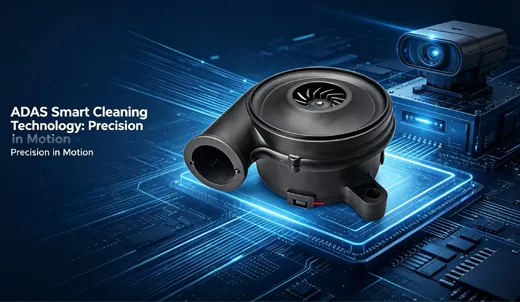
A dedicated LiDAR cleaning blower utilizes a specialized automotive-grade brushless centrifugal blower to compress ambient air and deliver targeted, high-velocity air pulses directly across optical windows. This non-contact dry cleaning principle relies on aerodynamic shear stress to peel off water droplets, loose dust, mud splash, and snow instantly.
Integrating a specialized TKFAN Automotive Sensor Cleaning air blower offers clear operational advantages for autonomous driving platforms:
- Zero Fluid Consumption: Air blowers operate using unlimited ambient air, eliminating fluid dependency and ensuring uninterrupted 24/7 autonomous fleet uptime.
- Instant Response Time: Powered by high-speed BLDC motors, a TKFAN LiDAR cleaning blower reaches maximum static pressure and peak air velocity within milliseconds of receiving a PWM signal from the domain controller.
- Hybrid Compatibility: Modern OEM architectures utilize a hybrid setup: liquid spray is activated only when dried mud is detected, followed immediately by an air blower blast to clear the fluid and dry the optical glass completely.
- Multi-Sensor Distribution: A single high-pressure Automotive Sensor Cleaning air blower can feed a network of micro-nozzles, simultaneously purging multiple nearby cameras, LiDARs, and RADAR radomes.
Engineering Insights: Why Static Pressure Trumps Airflow (CFM)
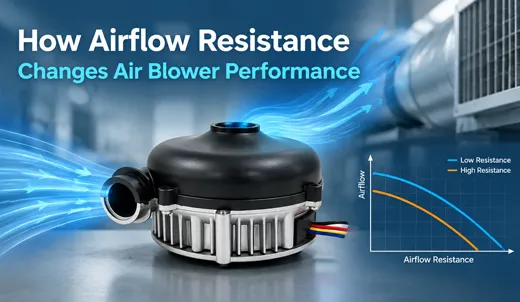
In sensor cleaning applications, static pressure (measured in kPa) is the single most critical engineering metric. Because air must pass through narrow tubing and tiny nozzle apertures, high airflow (CFM) without sufficient static pressure results in catastrophic velocity loss at the nozzle outlet. A high-static-pressure TKFAN LiDAR cleaning blower overcomes internal duct resistance to deliver the high-velocity air curtain required to shear water and dirt away instantly.
Crucial Automotive-Grade Standards for TKFAN Automotive Sensor Cleaning Air Blowers
Off-the-shelf industrial or commercial fan units cannot survive the harsh operating conditions of exterior vehicle environments. A robust TKFAN Automotive Sensor Cleaning air blower must meet five mandatory automotive engineering standards before being validated for series production:
- IP68 Water and Dust Protection: Blowers mounted behind front bumpers, roof pods, or side mirrors are exposed to heavy rain, mud, highway spray, and high-pressure car washes (IP69K environments). TKFAN LiDAR cleaning blower units feature fully encapsulated BLDC motor stators sealed with thermally conductive epoxy resin, completely preventing water ingress and salt corrosion.
- 9V to 16VDC Wide Voltage Range (12V Nominal): Vehicle electrical buses experience cold-cranking voltage dips, load dumps, and alternator voltage spikes. TKFAN blowers integrate internal protection circuits that guarantee stable rotational speed across a wide 9–16VDC supply voltage without thermal shutdown or driver reset.
- Wide Thermal Range (-40°C to +85°C): Exterior sensor pods undergo severe thermal cycling—from sub-zero winter cold-soaks in Northern Europe to extreme summer solar radiation in desert climates. TKFAN automotive blowers utilize automotive-grade PBT/PA66 engineering plastics, high-temperature copper windings, and premium synthetic lubricants to maintain structural and mechanical integrity across the entire temperature spectrum.
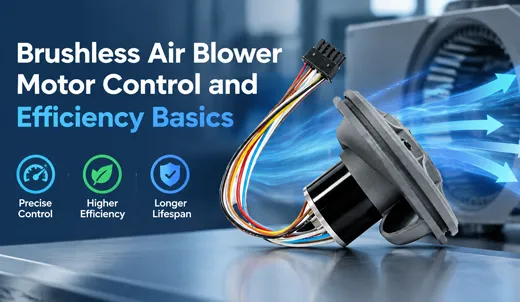
- Integrated BLDC Drive with Precise PWM Control: On-board integrated motor drive electronics eliminate the need for external drive modules, reducing space constraints. Standard Pulse Width Modulation (PWM) speed control allows the vehicle's ADAS ECU to dynamically regulate blower speed—delivering short, high-power purge bursts for heavy dirt or low-power continuous airflow for anti-fogging.
- AEC-Q100 Certified Component Selection: All internal semiconductors, microcontrollers, Hall sensors, and passive components within every TKFAN Automotive Sensor Cleaning air blower are certified to AEC-Q100 stress test standards, guaranteeing zero-defect performance over a 15-year/300,000 km automotive service life.
TKFAN Automotive Sensor Cleaning Air Blower Product Matrix & Selection Guide
To assist Tier 1 systems engineers and vehicle packaging teams in selecting the optimal hardware configuration, TKFAN offers a standardized matrix of high-performance 12V DC centrifugal blowers. Designed specifically for autonomous sensor cleaning, these units offer varying form factors, rotational speeds, static pressures, and integration options.
| Model Number | Dimensions (mm) | Nominal Voltage | Max Speed (RPM) | Airflow (CFM) | Static Pressure (kPa) | Driver Type |
|---|---|---|---|---|---|---|
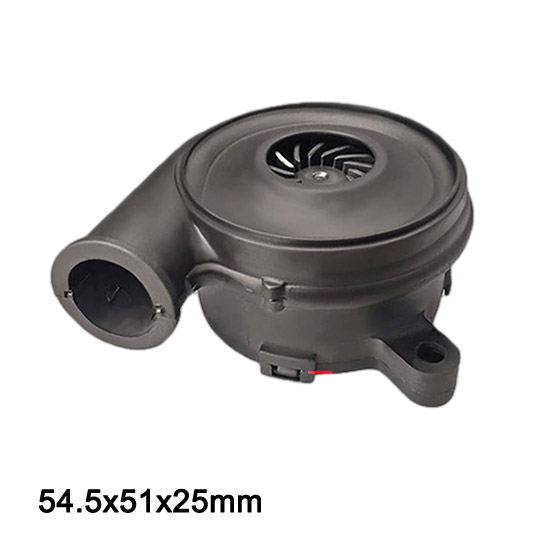
| BA5025H12B-A | 54.5 × 51 × 25 | 12 VDC | 37,000 | 10.50 | 4.90 | Integrated BLDC |
| BA7050H12B-C (External) | 52 × 52 × 42 | 12 VDC | 40,000 | 15.49 | 7.90 | External ECU Control |
| BA5030H12B-C | 66 × 49 × 37 | 12 VDC | 41,000 | 8.20 | 5.10 | Integrated BLDC |
| BA5030H12B-A | 58 × 50 × 28 | 12 VDC | 39,100 | 8.60 | 6.15 | Integrated BLDC |
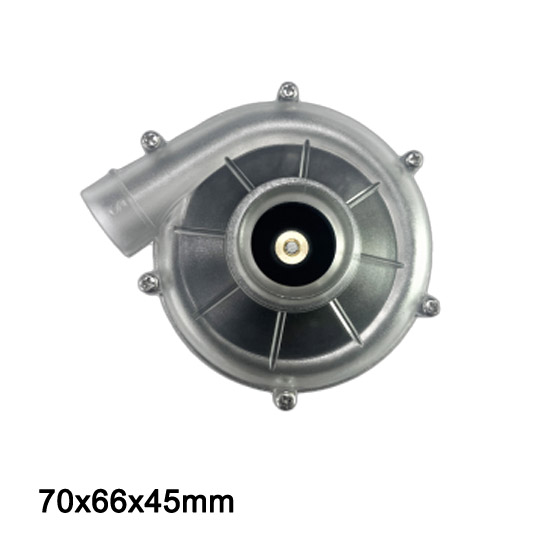
| BA7050H12B-B | 70 × 66 × 45 | 12 VDC | 35,000 | 17.50 | 8.30 | Integrated BLDC |
| BA8050H12B-A | 80 × 50 | 12 VDC | 37,000 | 25.90 | 9.00 | Integrated BLDC |
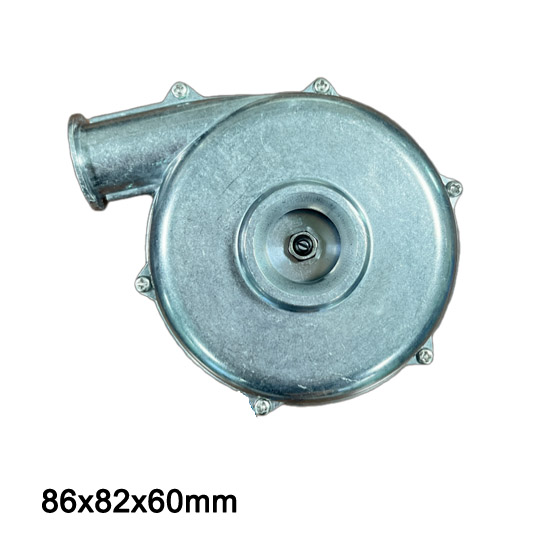
| BA8060H12B-E | 86 × 82 × 60 | 12 VDC | 38,000 | 19.30 | 12.00 | High-Pressure Integrated |
How Tier 1 Engineers Choose Between Compact and High-Output Blowers
Selecting the right blower model requires balancing static pressure loss against packaging constraints and power budgets:
- Distributed / Decentralized Architectures: When individual cleaning units are placed directly adjacent to each sensor, packaging space is extremely tight. Engineers prefer compact models like the TKFAN BA5025H12B-A or BA5030H12B-A. These units fit directly inside roof pod enclosures or wing mirror assemblies, providing localized high-pressure bursts through short, low-resistance air ducts.
- Centralized Air Distribution Architectures: Some autonomous vehicle platforms utilize a central high-output air blower located in the trunk or engine bay, routing air through a network of distribution hoses to multiple sensors across the car. Because extended duct runs generate high friction pressure losses, engineers select maximum-pressure blowers such as the TKFAN BA8060H12B-E, capable of producing up to 12.0 kPa of static pressure to guarantee high air velocity at the furthest nozzle outlet.
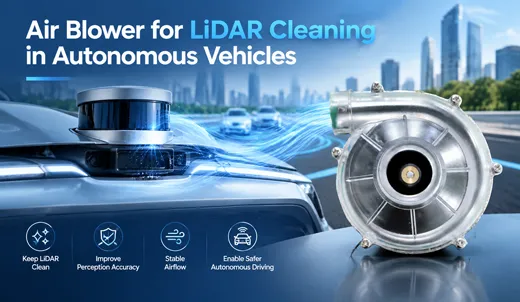
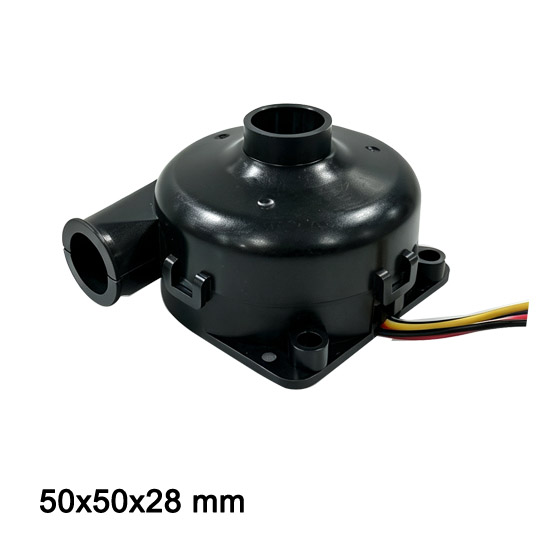
Blower component of an air-blowing device for cleaning LiDAR on autonomous vehicles
Blower component of an air-blowing device for cleaning LiDAR on autonomous vehicles is the TKFAN LiDAR cleaning blower, an IP68-rated automotive sensor cleaning air blower that generates pulsed high-pressure airflow to eliminate dust, water droplets and road debris on LiDAR optical covers for ADAS and autonomous vehicles. (click any image to enlarge)
Real-World Applications of TKFAN LiDAR Cleaning Blowers
The versatility and ruggedized automotive design of the TKFAN Automotive Sensor Cleaning air blower series make it suitable for a broad spectrum of commercial autonomous and machine vision applications:
- Passenger Autonomous Vehicles (Level 2+ to Level 4 ADAS): Provides rapid water droplet and dust purging for roof-mounted long-range LiDARs, front bumper short-range LiDARs, and windshield camera pods.
- Robotaxis and Autonomous Shuttles: Enables continuous, fluid-less cleaning during rain and dusty conditions, maintaining high operational availability and reducing scheduled garage maintenance.
- Commercial Autonomous Trucks & Logistics: Heavy-duty highway trucks encounter severe mud splash and bug splatter. Combining a TKFAN LiDAR cleaning blower with liquid wash nozzles ensures continuous sensor clarity over thousands of long-haul highway miles.
- Smart City Infrastructure & Roadside ITS: Traffic monitoring LiDARs, automated tolling cameras, and roadside perception pods deployed outdoors year-round utilize IP68 TKFAN blowers to clear rainwater and dust without requiring site technician maintenance.
- Off-Highway, Agriculture, and Mining Vehicles: Autonomous tractors, mining haulers, and construction machinery operate in dusty, muddy, and extreme vibration environments where high-pressure air cleaning is essential for continuous operations.
Frequently Asked Questions: Engineering Integration of Sensor Blowers
Below are technical answers to common integration questions raised by automotive mechanical, electrical, and systems architects regarding the TKFAN Automotive Sensor Cleaning air blower line.
Q1: How does a LiDAR cleaning blower remove both dry dust and liquid water droplets from optical glass?
A TKFAN LiDAR cleaning blower uses a high-speed BLDC motor and a optimized centrifugal impeller to generate static pressures up to 12.0 kPa. When compressed air is discharged through micro-nozzles, it creates a focused, high-velocity air knife. The kinetic energy and aerodynamic shear stress instantly strip dry particulate matter and dislodge surface water droplets from hydrophobic optical glass without physical wiper contact.
Q2: Why is AEC-Q100 certification and a 9–16V operating range required for automotive sensor blowers?
Automotive 12V power grids experience severe voltage fluctuations, including cold-crank drops and transient voltage spikes. A 9–16V wide operating range prevents the blower from resetting during engine starts or high load conditions. AEC-Q100 certification ensures that all internal drive semiconductors withstand rigorous thermal shock, vibration, and electrical stress, meeting strict automotive functional safety and reliability standards.
Q3: Should our project select a compact 50mm blower or a high-pressure 80mm blower?
The choice depends on your fluidic architecture. For decentralized architectures where the blower is mounted directly inside or adjacent to a single LiDAR/camera pod, choose compact 50mm blowers (e.g., BA5025H12B-A). If using a centralized architecture with long hose routing to multiple sensors, choose high-pressure 80mm blowers (e.g., BA8060H12B-E delivering up to 12.0 kPa) to overcome cumulative duct pressure losses.
Q4: Does the IP68 rating on TKFAN blowers protect against road salt and high-pressure car washes?
Yes. TKFAN Automotive Sensor Cleaning air blower units feature 100% potting encapsulation using thermally conductive epoxy resin. The motor stator and PCB electronics are completely isolated, providing robust protection against salt spray, winter de-icing chemicals, road splash, and high-pressure underbody washes (IP68/IP69K compliant).
Q5: Can an air blower fully replace a liquid washer system, or is a hybrid system recommended?
Dry air blowers handle 80–90% of routine environmental contamination, including rain, dust, and light road spray, without consuming liquid. However, for sticky, dried-on contaminants like heavy mud or bug splatter, a hybrid "liquid spray + air purge dry" setup provides the best overall performance. The liquid loosens the debris, and the air blower immediately dries the glass clear.
Q6: How does PWM control optimize blower operation in ADAS architectures?
Pulse Width Modulation (PWM) allows the vehicle's ADAS ECU to control blower speed dynamically. Instead of running continuously at 100% duty cycle, the ECU triggers high-velocity bursts when sensor perception algorithms detect optical degradation, or runs the blower at low speed for continuous defogging, saving electrical energy and extending motor lifespan.
Q7: What is the typical lifespan of a TKFAN LiDAR cleaning blower in commercial autonomous fleets?
Equipped with premium dual ball bearings, high-grade copper windings, and advanced BLDC sensorless/sensored drives, TKFAN automotive blowers offer an operational lifespan exceeding 30,000 to 50,000 hours under standard automotive operating cycles, fully supporting a 15-year vehicle design lifecycle.
Q8: How do TKFAN blowers handle extreme winter temperatures and icing?
TKFAN blowers are validated for operation down to -40°C. Their high-torque BLDC motors deliver immediate breakaway torque even in cold conditions, while high-velocity airflow prevents ice formation on nozzle orifices during cold-weather driving.
Q9: Are custom mounting brackets, housing modifications, and wire harness connectors available?
Yes, TKFAN specializes in OEM/ODM customization. We supply blowers with custom mounting flanges, integrated anti-vibration dampers, custom duct nozzles, and specified automotive wire harness connectors (e.g., Deutsch, TE Connectivity, Molex) to streamline assembly for Tier 1 suppliers.
Q10: How can engineering teams obtain P-Q performance curves and CAD models for CFD simulation?
Engineers can visit the official TKFAN Auto Cleaning Air Blower Product Page to request 3D STEP files, detailed pressure-vs-volume (P-Q) curves, and comprehensive thermal test reports for integration analysis.