How Premium Micro Fan Engineering Solves Thermal Bottlenecks in Next-Gen Compact Devices
TKFAN High-Performance Micro Fan Technical Specifications
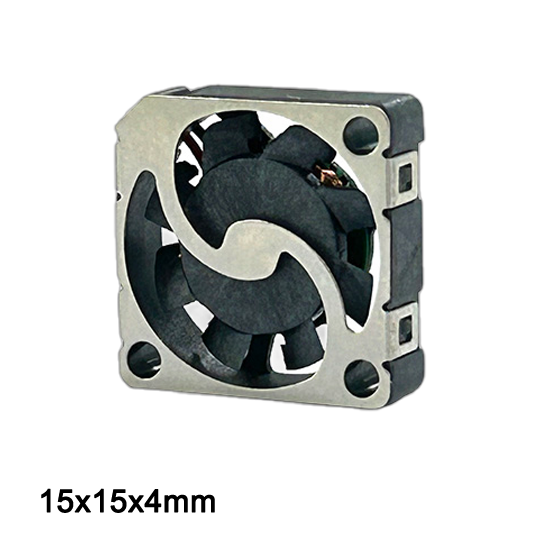
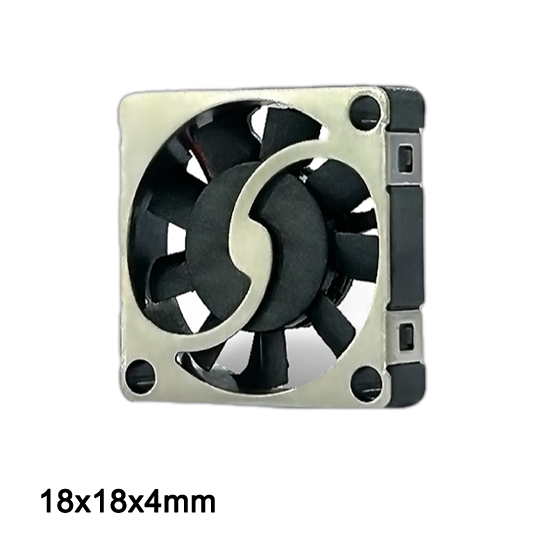
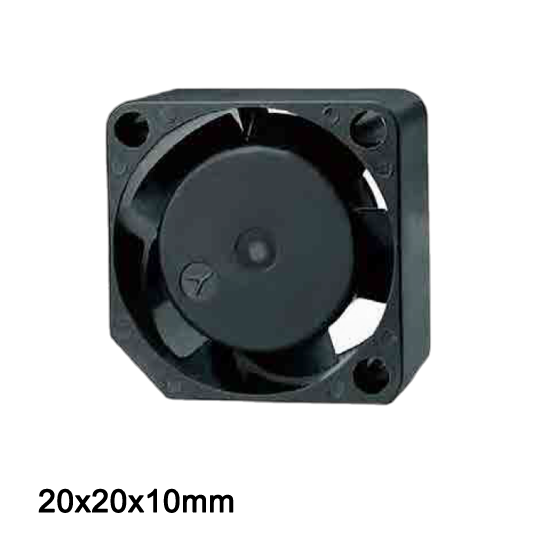
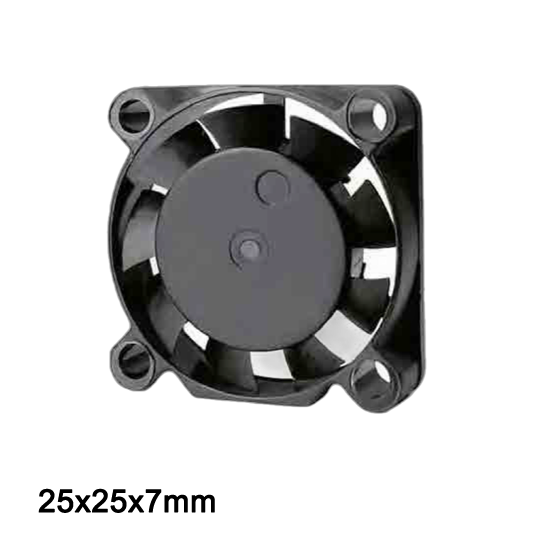
To assist layout engineers in selecting components for low-clearance consumer, automotive, and energy storage designs, we maintain a flexible series of high-efficiency low voltage fan solutions (including 3.3V fan and 5V fan configurations). The following matrix details our high-demand micro fan selections, showcasing stable low-voltage handling, concentrated static pressure, and low decibel thresholds.
| Model Variant | Dimensions (mm) | Rated Voltage (V) | Rated Speed (RPM) | Max Airflow (CFM) | Static Pressure (Pa) |
|---|
| DA1504L33X | 15 × 15 × 4 | 3.3V DC | 15,000 | 0.08 | 9.8 |
| DA1504L05X | 15 × 15 × 4 | 5V DC | 20,000 | 0.12 | 19.6 |
| DA1804L33X | 18 × 18 × 4 | 3.3V DC | 11,000 | 0.13 | 9.8 |
| DA1804L05X | 18 × 18 × 4 | 5V DC | 15,000 | 0.22 | 29.4 |
| DA2010H05X | 20 × 20 × 10 | 5V DC | 14,000 | 1.35 | 42 |
| DA2507HH05X | 25 × 25 × 7 | 5V DC | 17,000 | 2.81 | 44 |
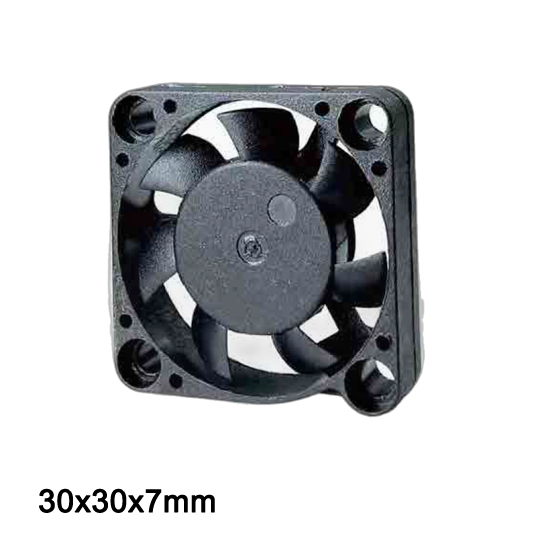
| DA3007VH05X | 30 × 30× 7 | 5V DC | 13,000 | 4.25 | 81 |
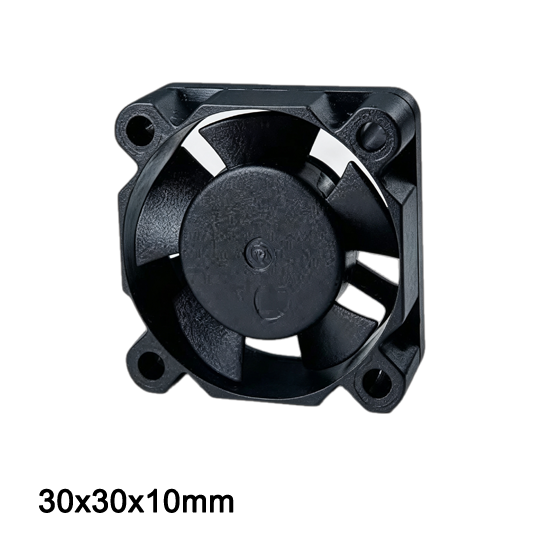
| DA3010VH05X | 30 × 30× 10 | 5V DC | 13,000 | 4.25 | 81 |
In the rapidly advancing landscape of consumer electronics and specialized industrial instrumentation, miniaturization stands as a key design objective. As virtual reality headsets (VR/AR), ultra-portable medical monitors, handheld smart scanners, and high-density single-board computers demand faster multi-core processors, localized heat generation scales drastically. Standard multi-purpose axial fan configurations cannot fit into these low-clearance frameworks, leaving hardware engineering groups struggling against high backpressure and severe thermal bottlenecks that cause CPU throttling and reduce device lifespans.
To protect system integrity within space-constrained environments, integrating an optimized micro fan or micro centrifugal blower series is essential. Unlike generic, oversized cooling equipment, a high-density low voltage fan features compact rotor assembly dimensions (often under 30mm) combined with precise aerodynamic impellers. This sub-miniature architecture converts rotational torque into directed static pressure, successfully driving warm air layers out of highly compact board environments without demanding expansive internal space.
Critical Engineering Hurdles in Sub-Miniature Thermal Management
Developing robust forced-air ventilation inside dense, micro-scale enclosures involves unique physical constraints across diverse modern industrial verticals:
- Energy Storage Systems (ESS): Within compact battery enclosures, local heat centers trigger dew tracking. Implementing micro forced ventilation is vital to protect battery modules from moisture and condensation damage, ensuring electrochemical stability.
- Automotive Electronics Engineering: Advanced driver-assistance systems require reliable micro thermal support. Deploying an IP68-rated micro fan framework is highly suitable for sensor cleaning applications and headlight condensation removal under direct weather exposure.
- High System Airway Impedance: When air passages are narrow or blocked by capacitors and heatsinks, generic mini fans stall, allowing intense heat to accumulate around surface-mounted chips.
- Acoustic Disturbances in Wearables: Small fans operating at elevated rotational speeds can generate high-pitched whining. For face-mounted AR/VR equipment or handheld clinical instruments, this acoustic output can disrupt user experiences.
A premium micro fan range engineered by TKFAN resolves these operational challenges. By integrating quiet brushless motor technologies with balanced miniature impeller configurations, our compact blower fan series handles backpressure while maintaining a low acoustic footprint and long-term mechanical reliability.
Design Benefits of Integrating TKFAN Miniature Cooling Units
1. Low-Profile Form Factors with High Integration
TKFAN micro fan solutions feature thin profiles starting at just 3.0mm, allowing seamless integration directly onto local circuit layouts, compact heatsinks, or inside narrow handheld enclosures where space is constrained.
2. Optimized Dynamic Balancing for Quiet Performance
To meet strict noise constraints in smart wearables and clinical environments, every unit undergoes balancing calibration to minimize high-frequency vibration and acoustic whine.
3. Low Voltage Fan Performance for Battery-Powered Hardware
Featuring low-power brushless DC motors, our 3.3V fan and 5V fan lines minimize current draw, helping preserve battery life in portable and handheld devices.
Micro Fan - Technical FAQ
Have technical questions about embedding low-profile micro fans or micro blowers into specialized automotive, energy storage, or electronic hardware layouts? Read through our engineering FAQ curated by TKFAN’s miniature thermal dynamics division, addressing structural footprints, power constraints, noise management, and environmental ratings.
Q1: How does a micro fan benefit compact energy storage modules (ESS)?
In modular energy storage layouts, localized temperature differences trigger humidity buildup. A continuous tracking micro fan breaks up stagnant thermal zones, effectively protecting battery modules from moisture and condensation that could cause electrochemical shorts.
Q2: Can TKFAN micro fans meet the rigorous IP68 demands for external automotive electronics?
Yes. For automotive applications, we provide micro cooling configurations engineered with full vacuum epoxy potting. This delivers certified IP68 protection, making them ideal for automotive sensor cleaning systems, LiDAR cooling, and headlight ventilation under extreme weather conditions.
Q3: When should I choose a micro fan blower instead of a micro axial fan configuration?
Choose a centrifugal micro fan blower when your internal layout is dense and requires high static pressure to move air through narrow channels or tight filters. Micro axial fans work best for moving airflow through open spaces without significant backpressure.
Q4: Do you supply low voltage fan options like 3.3V fan and 5V fan models for portable devices?
Yes. Our ultra-compact cooling collection is heavily optimized for low-voltage operation. We specialize in 3.3V fan and 5V fan DC configurations ideal for battery-operated handheld devices, wearable technology, and compact IoT hardware requiring minimal power consumption and efficient heat dissipation.
Q5: Can your production line accommodate custom wiring lengths and micro connectors for B2B procurement batches?
Yes, we offer custom lead-wire modifications, shielding wraps, and terminations using precise micro connectors (including JST, Molex, and HRS configurations) to support drop-in compatibility with your custom PCB boards.
Q6: How does TKFAN ensure long-term mechanical reliability in fans under 30mm in footprint?
We implement high-grade dual precision ball bearing systems or specialized fluid dynamic bearing (FDB) structures inside our micro fans. These mechanical configurations prevent grease leakage and minimize wear, outperforming basic sleeve configurations at elevated operational temperatures.
Q7: Is it possible to integrate smart PWM speed modulation within an ultra-thin 20mm micro fan framework?
Yes, our compact designs can include custom micro-scale PCBs that support 4-wire PWM speed modulation and Tachometer FG sensor tracking, enabling central processors to modulate fan speed dynamically based on active internal device temperatures.
Q8: What is your standard procedure for requesting custom micro fan prototype batches for physical evaluation?
We support engineering prototyping cycles. Simply select the contact link below or email our support desk with your sizing restrictions, target voltage limits, and flow needs, and our technical division will arrange samples for verification.