

High-Pressure Micro Blower for Hair Removal Devices: Premium Cooling Solution for IPL & Laser OEM/ODM Brands
1. Industry Growth & Demand for IPL Device Thermal Management
1.1 Global Market Scale: Explosive Demand Amid High Growth
In 2024, the global hair removal device market presented a pattern of "both volume and value growth": the total market size reached USD 8.2 billion, with sales of approximately 18 million units; the global sales volume of household hair removal devices in 2024 hit 11.16 million units, accounting for 62% of the overall hair removal device market, and achieving a three-year compound growth rate of 43% compared to 7.8 million units in 2021. Driven by strong long-term growth momentum, it is expected that by 2030, the global sales volume of household hair removal devices will exceed 30 million units, accounting for 77% of the overall market, and driving the global hair removal device market size to reach USD 14.6 billion.
1.2 Mature Markets Lead the Way, Emerging Markets Witness Explosive Growth
North America: In 2024, the sales volume of household hair removal devices reached 1.1 million units, accounting for 34% of the global market, with an average unit price of USD 215. The penetration rate of smart models (with APP linkage) exceeded 50%.
Asia-Pacific: It contributed 850,000 units in sales in 2024. China accounted for 30% of the global household market, with a compound annual growth rate of 12.4% from 2023 to 2025. It is expected that the overall share of the Asia-Pacific region will rise to 38% by 2030.
Emerging Markets: In 2024, the import volume of the Middle East surged by 53% year-on-year, and the online sales volume in Southeast Asia grew by 45%, mainly focusing on entry-level models priced between USD 153 and 168.
2. Composition of the Hair Removal Device Cooling System: Collaborative Work of Fans, Heat Sinks, and Air Duct Design
The cooling system of an IPL or laser hair removal device is a closed-loop system composed of the collaboration of "fan - heat sink - air duct". Manufacturers must carefully design this system to avoid device overheating and guarantee skin safety. The functions and operating mechanisms of each component are as follows:
2.1.1 Heat Sink: Core Component for Heat Conduction
Heat sinks are closely attached to main heat-generating components such as lamp tubes and circuit boards. Common materials include aluminum alloys (suitable for cost-effective products) and copper alloys (mostly used in high-end models). Some products are coated with thermal grease to optimize thermal contact performance. Its typical multi-fin structure (with a fin spacing usually of 1-2mm) achieves effective heat dispersion by significantly increasing the heat dissipation surface area. For example, a laser hair removal device equipped with 32 cooling fins can reduce the operating temperature of the power module from 120°C to 85°C, demonstrating excellent heat dissipation efficiency.
2.1.2 Cooling Fan: Core Equipment for Forced Convection
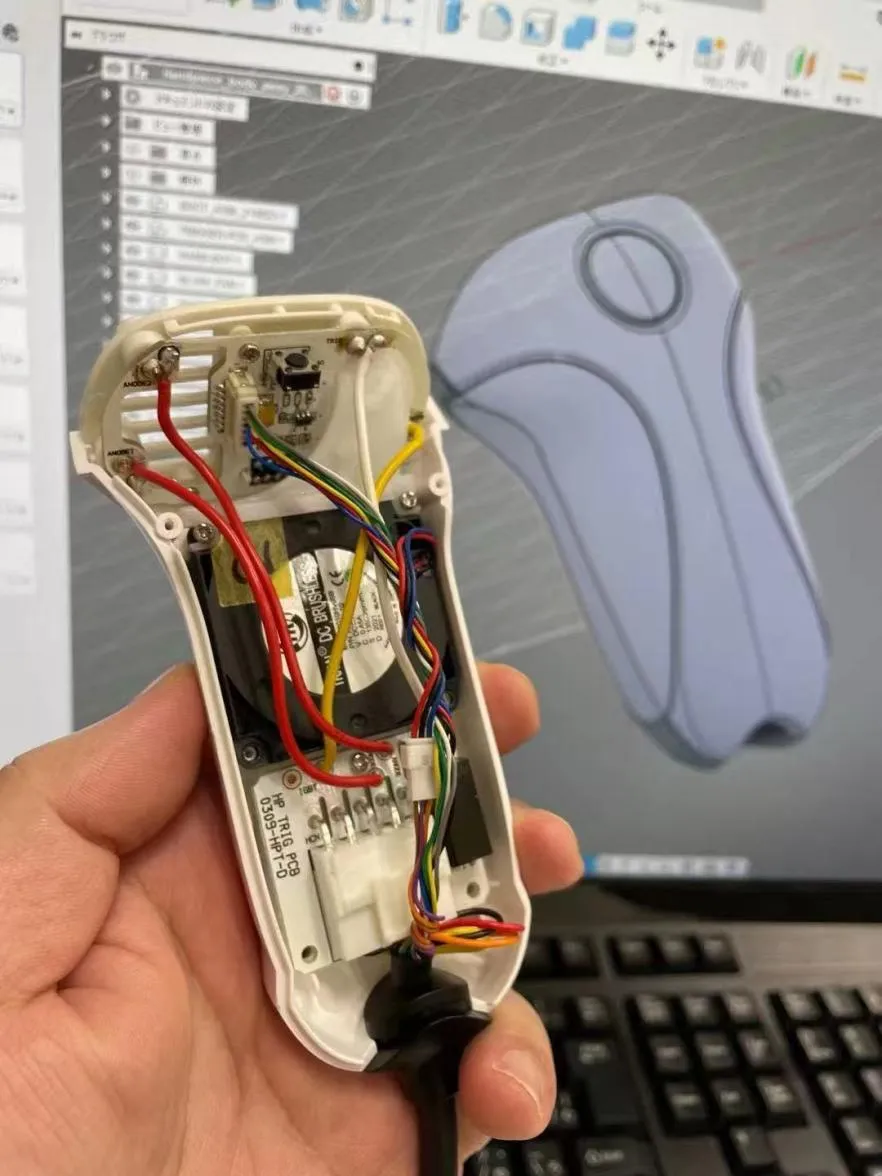
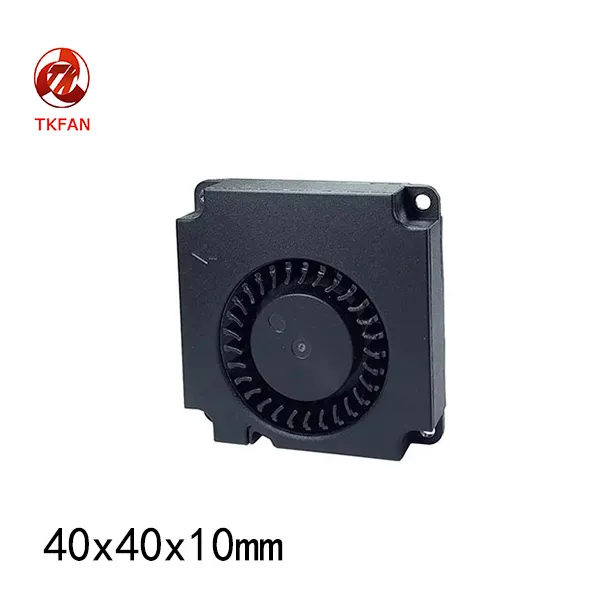
Cooling fans drive air flow by blowing or suction to achieve forced convection heat dissipation. For lamp tube components that generate heat continuously, stable air flow output must be ensured; while for heat dissipation of circuit boards that generate heat intermittently, it is required to maintain operating stability while ensuring air speed. Taking a DC blower with a size of 40×40×10mm as an example, when operating at a speed of 13,500 rpm and an air volume of 4.3 cfm, it can effectively control the internal temperature of the device from 85°C to below 55°C.
2.1.4 Collaborative Cooling Mechanism & Overheating Solution
During operation, the cooling system first absorbs heat through heat sinks, then transfers it via fan-driven forced convection. The heat is subsequently directed out through the airflow duct system while introducing external cold air to complete the circulation. If duct blockage or insufficient airflow occurs, the system's cooling performance will significantly decline. Field tests show that duct blockage can reduce cooling efficiency by up to 40%.
2.2 Hair Removal Device Cooling Fan Selection: Axial Fan vs. Blower Fan
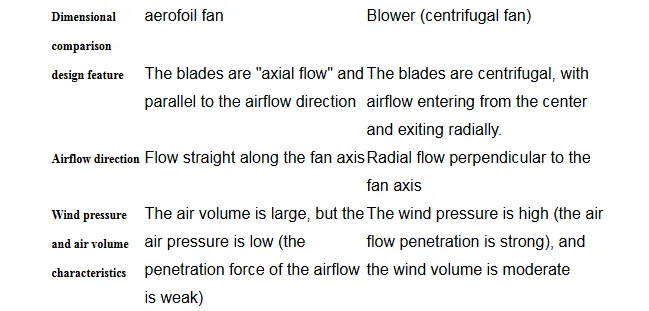
Among the cooling fans commonly used in hair removal devices, axial flow fans and blowers are two mainstream types. There are significant differences between them in structure, performance, and application scenarios. The micro blower, with its adaptability to "miniaturization and high wind pressure", has become the preferred choice for small household hair removal devices. The specific comparison is as follows:
2.2.1 Structure and Working Principle Differences
2.2.2 Adaptation to Different Scenarios: Why Do Manufacturers Prefer Blowers for Small Hair Removal Devices?
The internal space of small household hair removal devices (usually with body thickness <5cm and volume <200cm³) is extremely limited, and the requirements for heat dissipation efficiency and noise control are high. The characteristics of the blower just meet these requirements, while the axial flow fan has obvious shortcomings:
(1) Advantage 1: High static wind pressure is compatible with "compact space" to avoid airflow obstruction
In compact hair removal devices, the distance between internal heat dissipation fins and fans is typically only 3-5mm, creating a confined airflow space. Axial fans, with their low pressure, often struggle to penetrate these narrow spaces, resulting in sluggish airflow over fins and reduced cooling efficiency. In contrast, blower fans (typically 2-3 times more powerful than axial fans) can effectively navigate confined spaces, ensuring efficient airflow through fins. This design maintains stable cooling performance even in compact layouts. For example, within the same 40mm×40mm installation area, blower fans can generate 2.5mmH₂O pressure, while axial fans only reach 0.8mmH₂O. This design enables blower fans to increase surface airflow velocity over fins by 1.8 times.
(2) Advantage 2: Radial airflow optimizes multi-component cooling, simplifying ductwork design
The heating components (light tubes, circuit boards, power modules) in compact hair removal devices are typically distributed across multiple locations. Axial airflow fans can only cool components in a single direction, requiring complex airflow guidance structures to cover multiple areas – which increases the device's size. In contrast, radial airflow from blowers can efficiently cool multiple dispersed heat sources through simple duct designs without additional space. For example, a specific mini hair removal device uses a 404010mm blower with a simple Y-shaped duct to simultaneously cool the light tubes (front) and circuit boards (side). Compared to a two-axis fan setup, this design reduces the device's size by 15%.
(3) Advantage 3: Low noise for "home use", improving the user experience
Axial flow fans require increased blade speed to achieve sufficient airflow, which often generates high-frequency noise (typically 45-55dB). Since household hair removal devices are primarily used in quiet environments like bedrooms and bathrooms, excessive noise can negatively impact user experience. In contrast, blower fans utilize high-pressure airflow that effectively dissipates heat without requiring excessive rotational speeds. When combined with precision bearing designs (such as the dual ball bearings used in our products), these fans maintain noise levels between 35-40dB – comparable to typical indoor ambient noise (30-40dB) – making them more suitable for home use.
(4) Axial fan adaptation limitations: more suitable for large salon equipment
Axial fans excel in delivering high airflow capacity, making them ideal for large equipment with ample internal space and significant heat generation (e.g., professional salon hair removal devices, typically over 500cm³ in size). These devices allow axial fans to maintain full linear airflow flow with minimal space constraints. However, in compact household hair removal devices, the airflow advantage of axial fans becomes impractical, while their drawbacks of "low pressure and high noise" are magnified. As a result, axial fans are gradually being replaced by blower fans.
2.3 Key selection criteria for hair removal device fans: balancing speed, airflow, noise, and lifespan
When selecting a hair removal device fan, design engineers must balance the "rotational speed-airflow-noise-lifespan" to ensure adequate heat dissipation without compromising device performance or user experience. The specific metric analysis and balancing logic are as follows:
(1) Indicator 1: RPM —— The foundation of heat dissipation efficiency, but higher is not always better
The rotational speed (rpm) directly affects airflow velocity. Theoretically, higher speeds enhance cooling efficiency. However, the hair removal device's fan speed must align with its thermal requirements: speeds below 10,000 rpm result in insufficient cooling, while exceeding 15,000 rpm causes noise spikes and reduced lifespan. For a 40x40x10mm blower, 13,500 rpm is the optimal balance between cooling performance, noise control, and operational longevity.
(2) Indicator 2: Airflow —— The core of heat dissipation, requiring proper matching with the heat dissipation area
Airflow rate (cfm or m³/h) determines heat dissipation per unit time and must match the hair removal device's heat sink area. Airflow below 3cfm causes localized overheating, while above 6cfm increases energy consumption and may damage sensitive components. For a 12cm² heat sink, 4.3cfm airflow precisely matches the combined heat output of the lamp tube and power module.
(3) Indicator 3: Noise —— A key factor in user experience, requiring strict control
Household hair removal devices should produce noise below 48dB. The curved blade design and dual ball bearing configuration effectively reduce airflow disturbance and bearing friction noise.
(4) Indicator 4: Lifespan —— Ensuring stable operation of the equipment
Oil-impregnated bearings have a lifespan of 20,000-30,000 hours, which may shorten under high temperatures. Double ball bearings can last 50,000-60,000 hours, making them ideal for high-frequency use in hair removal devices. The fan lifespan must be ≥10,000 hours, and double ball bearings ensure long-term reliability.
Quick Specification Comparison: TKFAN Micro Blowers for Hair Removal Devices
| Model & Size | Rated Voltage | Speed (RPM) | Airflow (CFM) | Static Pressure | Noise (dB) | Target Application |
|---|---|---|---|---|---|---|
| BA3510 (30x30x10mm) | 5V / 12V | 17,000 | 2.5 | 5.2 mmH₂O | < 42 | Mini portable & home-use IPL devices |
| BA4010 (40x40x10mm) | 5V / 12V / 24V | 13,500 | 4.3 | 2.5 mmH₂O | < 45 | Standard household laser hair removal machines |
| BA5010 (50x50x10mm) | 12V / 24V | 11,000 | 6.1 | 3.1 mmH₂O | < 48 | Professional salon-grade beauty & cooling systems |
3. Product Advantages: What makes TKFAN 40x40x10mm Blower Stand Out?
3.1 Core Performance Breakthrough: Demonstrating Heat Dissipation Strength with Measured Data
Our BA4010 blower has achieved a breakthrough in performance, combining high-speed rotation with large airflow through precision motor design and optimized blades. Test data directly confirms its suitability for hair removal device cooling applications.
13,500 rpm High-Rate Performance: Compared to the industry average of 11,000-12,000 rpm for blowers of the same size, our product achieves a 12.5%-22.7% higher rotational speed. This enables rapid airflow circulation and reduces heat accumulation time. In laboratory simulations, when exposed to the instantaneous high temperatures (100°C) generated by the continuous operation of the hair removal device's lamp tube, the 13,500 rpm speed increases heat dissipation response by 30%, initiating effective cooling within 10 seconds to prevent equipment from triggering protection mechanisms due to transient overheating.
4.3cfm High Airflow: Third-party testing confirms this blower maintains a steady airflow of 4.3cfm at standard atmospheric pressure, significantly outperforming similarly sized axial fans (average 2.8-3.5cfm). To address the thermal management needs of the hair removal device's core components (lamp tube + power module), the 4.3cfm airflow enables over 300 internal air exchanges per hour, keeping the device's core temperature below 55°C – well below the 70°C safety threshold for its components.
Performance Stability: With a 1000-hour continuous operation test, the device maintains stable cooling performance with rotational speed fluctuations ≤2% and airflow decay rate <3%. This ensures reliable heat dissipation even during high-frequency usage (e.g., 30 minutes daily, 5 times weekly), preventing performance degradation-induced cooling issues.
4. Case Study: Trusted Cooling Component Supplier for Global Hair Removal Brands
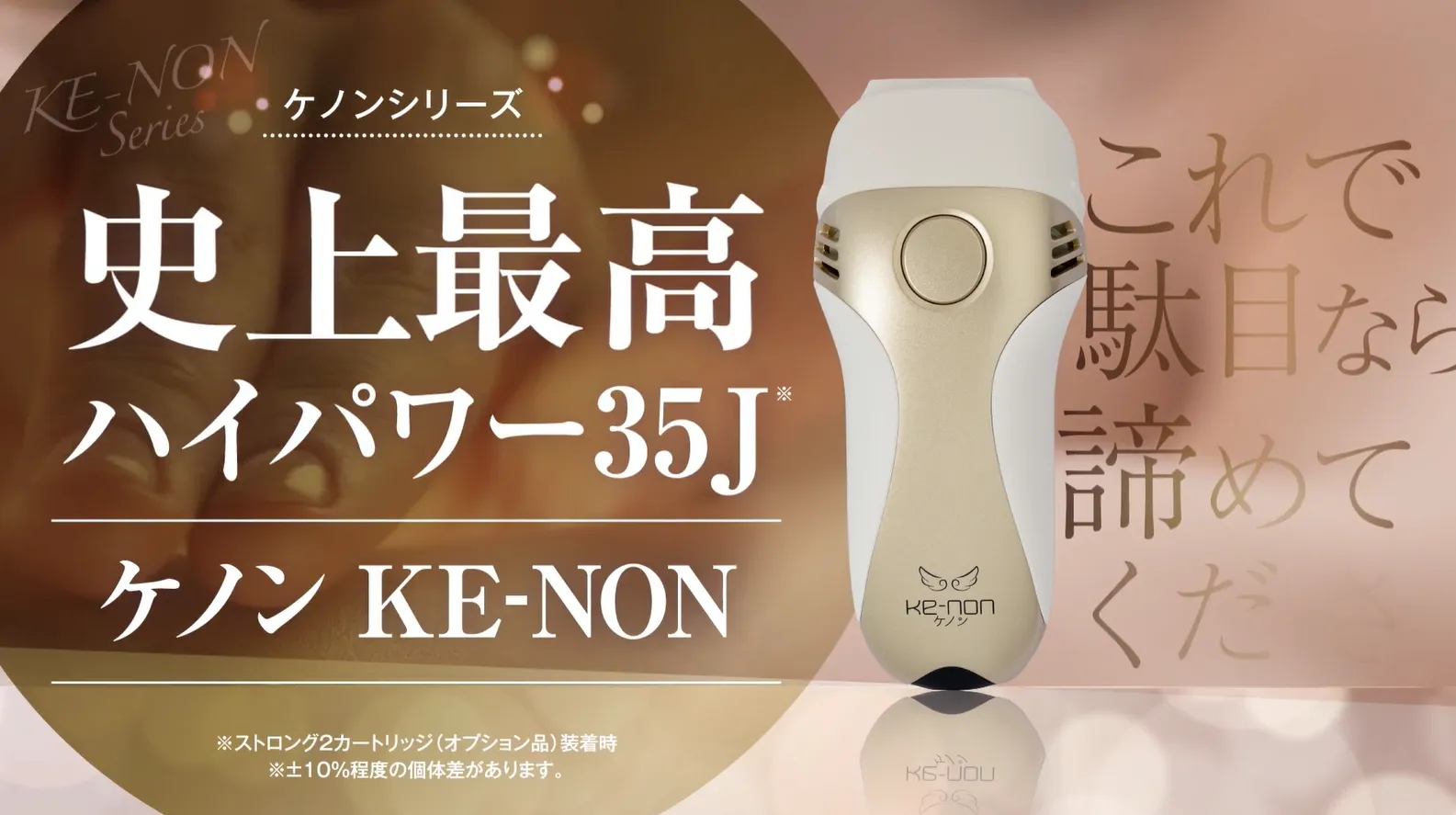
Our partnership with Mteck Inc., a Japanese premium hair removal device brand, began in 2021. Having completed the full process of "demand alignment-prototype development-testing and validation-mass supply", we have established a five-year stable collaboration, becoming their core supplier for the 404010mm blower. The specific milestones of our cooperation are as follows:
Requirements Analysis Phase (March-April 2021): Mteck Inc was developing next-generation home laser hair removal devices, with core requirements for "high-efficiency cooling and low noise in compact form." The specifications mandated a fan size of ≤40mm×40mm×10mm, airflow ≥4cfm, and noise ≤48dB. Leveraging over a decade of fan cooling expertise, we swiftly proposed a design featuring a 13,500rpm motor with aerodynamic blades to meet both performance and noise control objectives.
Sample Development and Testing Phase (May-August 2021): To meet Mteck's requirements, we established a dedicated R&D team that completed the first prototype within 45 days, delivering a comprehensive performance report with 12 metrics including rotational speed, airflow volume, noise levels, and high-temperature resistance. We then conducted three optimization phases: The initial phase reduced noise from 50dB to 48dB through blade curvature adjustments. The second phase enhanced motor and coil configurations, achieving 13,500 rpm and 4.3cfm airflow. The final phase upgraded terminal material to meet Mteck's anti-corrosion standards for hair removal devices. The prototype successfully passed Mteck's two-month reliability test, which included 1,000 hours of continuous operation, temperature cycling, and vibration testing, with all performance metrics meeting specifications.
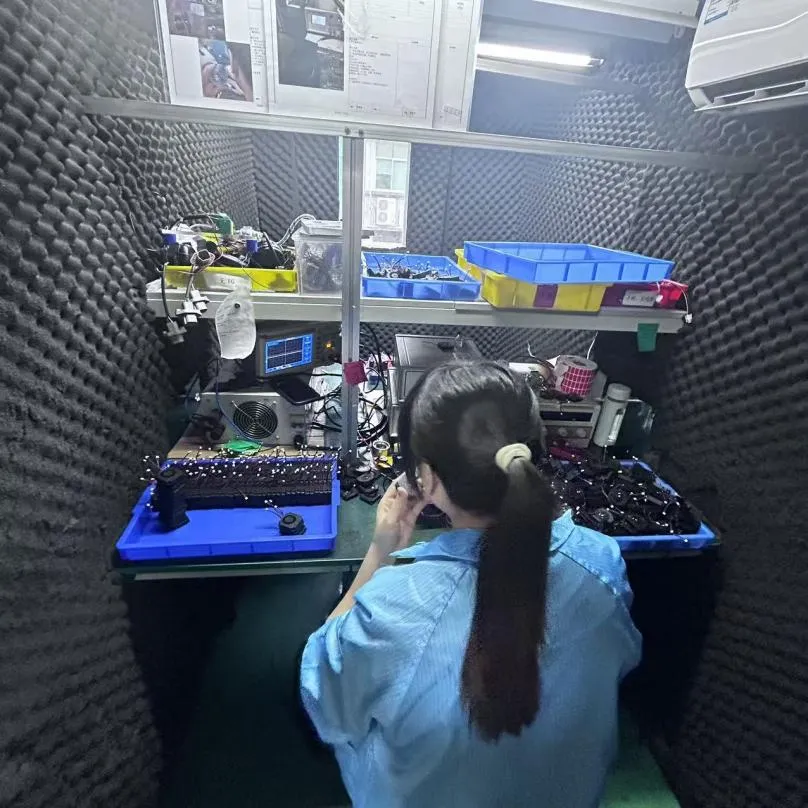
Small-batch trial production and mass supply phase (September 2021 to present): In September 2021, we initiated small-batch trial production (with an initial batch of 5,000 units). Our technical team maintained continuous online coordination with Mteck's engineers to resolve compatibility issues between blowers and hair removal devices, achieving a 99.8% pass rate in trial production. Since 2022, we have transitioned to mass supply, with monthly deliveries increasing from 10,000 units to 30,000 units. Over five years, we have supplied over 1.5 million units, consistently maintaining a defect rate below 0.08% – significantly lower than Mteck's 0.3% upper limit requirement.
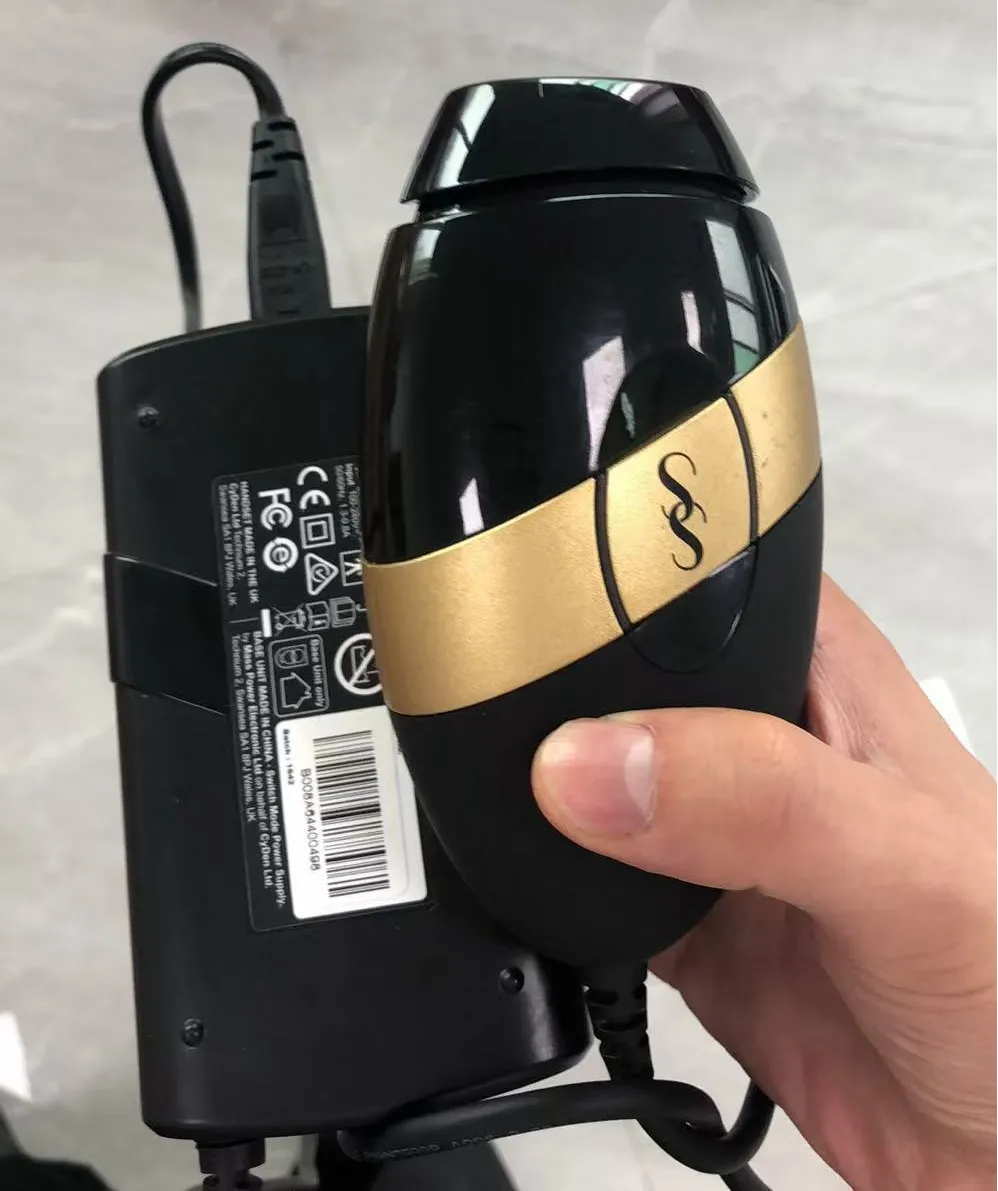
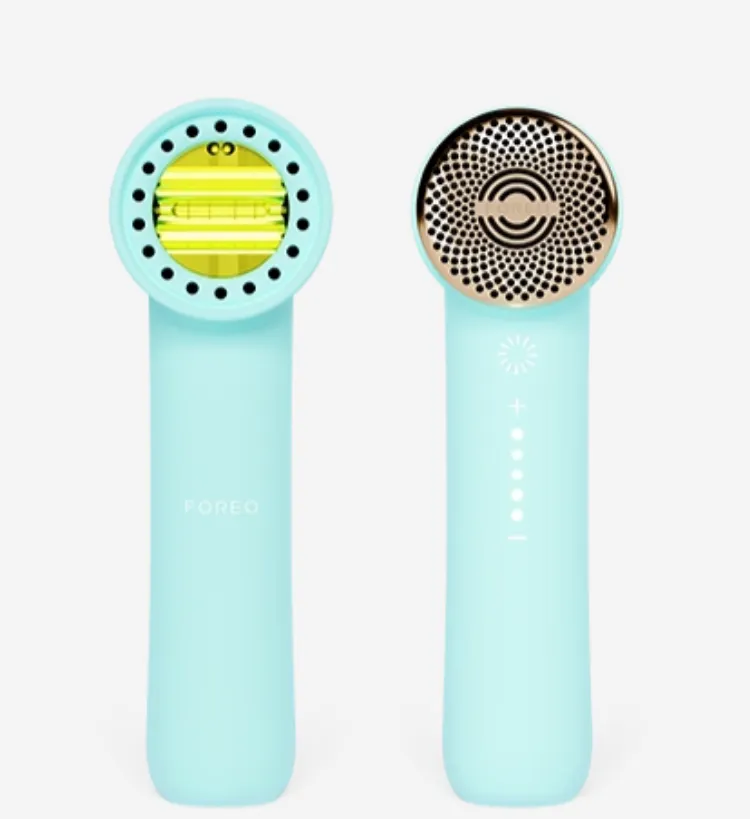
In addition to the core 40×40×10mm blower, we also provide high-speed blowers in two sizes: 50×50×10mm and 30×30×10mm, to meet the spatial design and heat dissipation requirements of different hair removal device models. We have successfully served renowned brands such as CYDEN in the UK and FOREO in Hong Kong, China, establishing a long-term and stable regular supply cooperation model.
For the professional salon-grade large-scale hair removal devices from UK-based CYDEN (requiring ample internal space and enhanced cooling), our 50×50×10mm blower delivers 6.1cfm airflow at 11,000rpm to meet continuous heat dissipation needs. With three years of successful collaboration, we have achieved a monthly supply of 12,000 units while maintaining a product defect rate below 0.05%.
For the mini portable household hair removal device of Hong Kong, China FOREO (compact body size with strict space requirements), the 30×30×10mm blower achieves efficient heat dissipation in an extremely small volume with precise performance of 17,000 rpm and 2.5cfm airflow, matching its "palm-sized" body design. The current regular supply is stable at an average of 8,000 units per month, helping FOREO cover more portable hair removal device market segments.
With 13 years of expertise in heat dissipation fan manufacturing and deep partnerships with global brands like Mteck, CYDEN, and FOREO, we have established a comprehensive service chain for hair removal device blowers, covering product development, customized solutions, and stable supply. Our team possesses profound understanding of industry technical standards, quality requirements, and customer needs. To date, we have supplied over 3 million specialized blowers for hair removal devices to brand clients across more than 20 countries and regions worldwide, demonstrating mature industry service experience and robust supply chain capabilities.
Looking for Reliable Cooling Fans for Your Hair Removal Devices?
As a leading cooling fan factory with 13 years of OEM/ODM expertise, TKFAN provides customized thermal management solutions (3010, 4010, 5010 micro blowers) for global beauty and medical device brands.
- Customized airflow, speed, voltage, and noise optimization.
- Dual ball bearings ensuring up to 60,000 hours of lifespan.
- Proven supply chains trusted by Mteck, CYDEN, and FOREO.
GET A QUOTE
Trusted by Global Industry Leaders