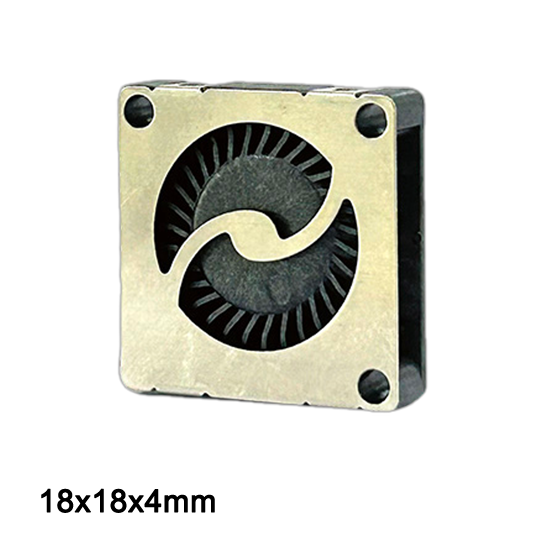
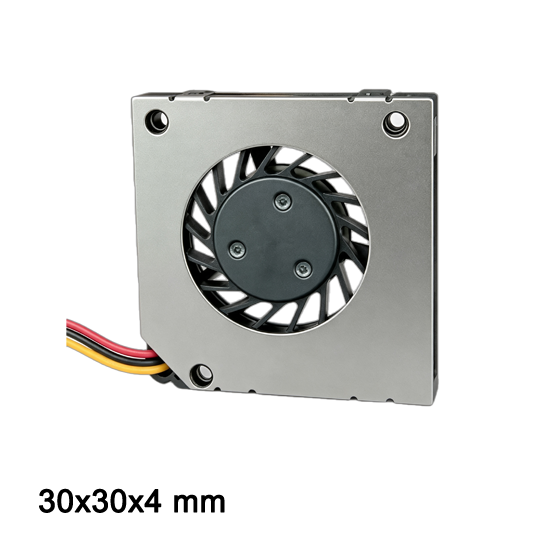
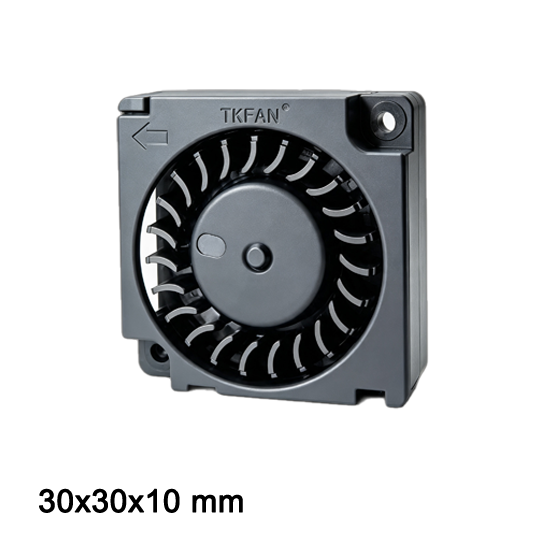
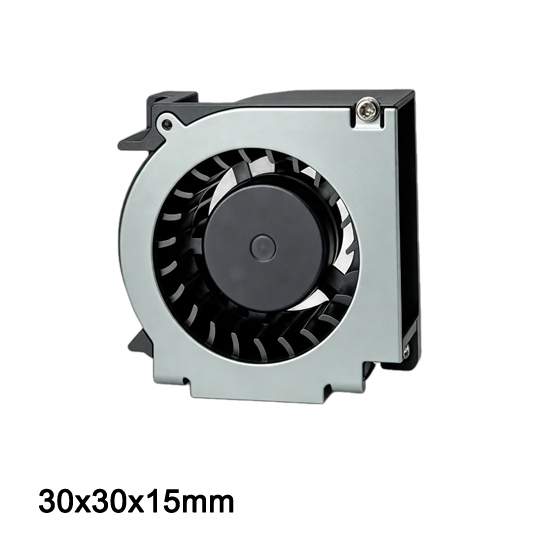
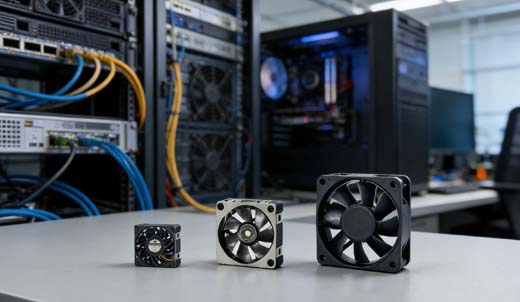
Micro Blower Selection Guide
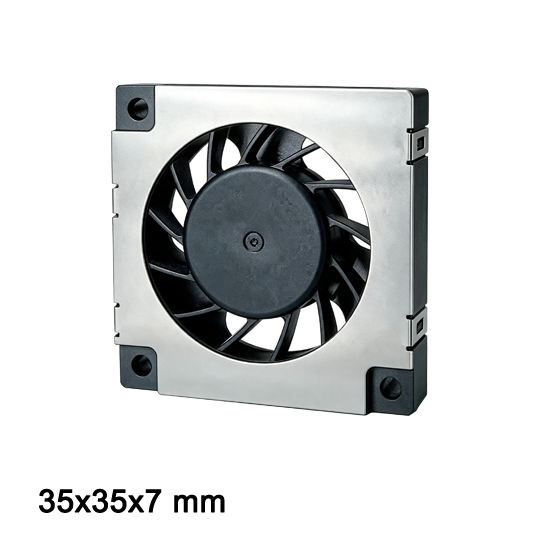
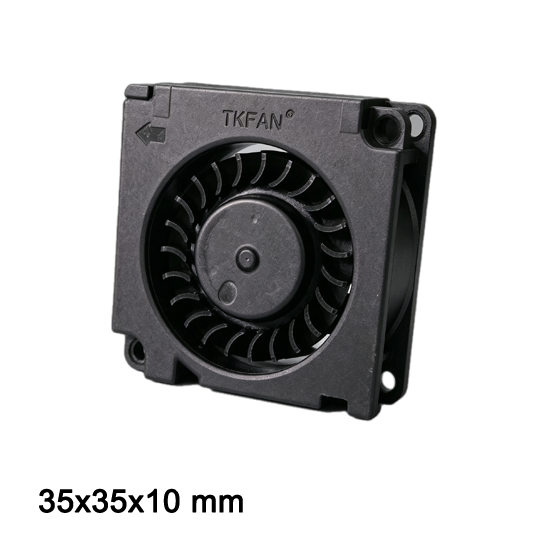
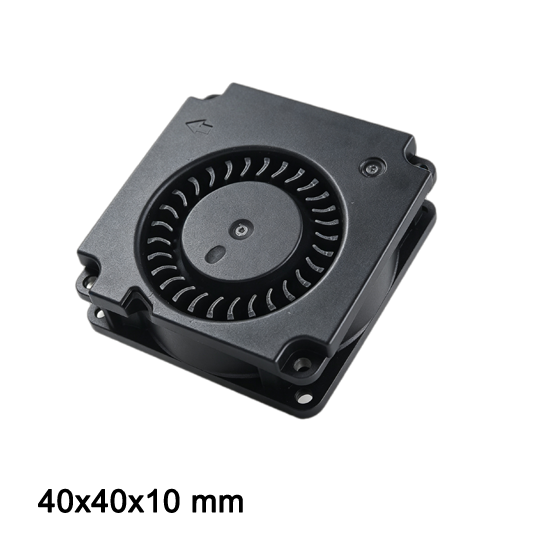
Compare voltage, dimensions, speed, airflow, and static pressure to select the right micro blower for your equipment design.
Precision Micro Blower Engineering: Solving High Static Pressure and Thermal Bottlenecks in Compact Electronics
As modern technology trends toward miniaturization, high-power density components are increasingly squeezed into ultra-compact enclosures. Whether in portable medical diagnostic equipment, handheld devices, VR headsets, or compact fuel cells, heat generation remains a major obstacle to performance and product reliability. Traditional axial fans often fail in these environments because they cannot overcome the high internal static pressure caused by densely packed circuit boards and tight air channels. Deploying an engineered micro blower is the ideal solution to deliver high-pressure, targeted airflow through highly restricted internal spaces.
Standard cooling solutions often result in localized hot spots, thermal throttling, and excessive acoustic vibration. Hardware engineers require a rugged, high-RPM micro blower framework designed to deliver continuous dynamic pressure, minimal power drain, and stable aerodynamic output within ultra-small footprints.
Critical Engineering Hurdles in Compact Thermal Management
Integrating active cooling components into micro-scale architectures presents unique thermodynamic and mechanical challenges:
- Extreme Static Backpressure Resistance: Densely packed components and narrow exhaust vents create massive air resistance, causing typical fans to stall and re-circulate hot air.
- Strict Spatial and Weight Limitations: Compact devices demand lightweight thermal solutions that occupy minimal physical volume without sacrificing air delivery performance.
- High Power Consumption & Battery Drain: Portable applications need ultra-efficient brushless motors to prevent excessive battery drain while delivering peak pressure.
- Vibration and Noise Issues: High-RPM miniature impellers can produce irritating high-frequency noise and mechanical vibration if not dynamically balanced.
An advanced micro blower effectively solves these engineering bottlenecks using high-efficiency centrifugal impellers, precision miniature brushless motors, and noise-damping housing designs.
Technical Advantages of Advanced Micro Blower Solutions
1. Superior Static Pressure in Ultra-Compact Footprints
Unlike axial fans that diffuse air broadly, a micro blower draws air in axially and accelerates it centrifugally at a 90-degree angle. This specialized airflow path builds immense static pressure, forcing concentrated air through tight heat sinks, micro-channels, and dense PCB layouts.
2. High-Precision Brushless DC (BLDC) Motor Integration
Equipped with advanced multi-phase BLDC motors, modern micro blower units provide smooth speed regulation, exceptional energy efficiency, and low electromagnetic noise. This guarantees extended battery operational life in portable and handheld devices.
3. Dynamic Balance and Dynamic Speed Control (PWM)
Precision dynamic balancing ensures stable rotation at extreme speeds (up to tens of thousands of RPM) with minimal vibration. Integrated Pulse Width Modulation (PWM) support allows systems to dynamically adjust the micro blower speed according to real-time temperature sensors, optimizing acoustic comfort and thermal performance.
Micro Blower - Technical FAQ
Q1: What is a micro blower and how does it differ from a standard mini axial fan?
A micro blower is a miniature centrifugal fan designed to generate high directional static pressure by discharging air at a 90-degree angle to the intake. Standard axial fans move larger volumes of air in open spaces but stall under resistance, whereas a micro blower easily overcomes high internal backpressure in tight spaces.
Q2: What typical applications require a micro blower?
A micro blower is widely used in portable medical devices (e.g., CPAP machines, air samplers), handheld electronics, VR/AR headsets, compact projectors, wearable cooling gear, micro fuel cells, and dense PCB enclosures.
Q3: How does a micro blower manage high operational noise at high RPMs?
Acoustic performance is optimized through aerodynamically sculpted impellers, precision sleeve/ball bearing alignment, vibration-isolated housings, and PWM speed control that lowers blower speed when peak cooling is not required.
Q4: What voltage options are available for micro blowers?
Most micro blower models are engineered for low-voltage DC operation, typically available in 3.3V, 5V, 12V, or 24V DC configurations to easily interface with battery power sources and main logic boards.
Q5: Can a micro blower be customized for smart control and monitoring?
Yes. Modern micro blower units can be ordered with 3-wire or 4-wire configurations, including Frequency Generator (FG) speed signal feedback and Pulse Width Modulation (PWM) speed input control.
Q6: Are micro blowers suitable for medical-grade or portable respiratory equipment?
Yes. Specialized medical-grade micro blower models feature rapid acceleration, stable pressure profiles, low vibration, and biocompatible materials suitable for medical ventilation and oxygen concentration devices.
Q7: How do bearing choices affect the lifespan of a micro blower?
Miniature dual ball bearings or high-precision fluid dynamic bearings (FDB) are used in high-reliability micro blower designs to ensure continuous operational lifespans ranging from 30,000 to over 50,000 hours at high speeds.
Q8: How does static pressure impact micro blower performance?
Static pressure represents the blower's ability to push air through airflow resistance. A high-pressure micro blower maintains steady airflow even when connected to narrow ducts, dense fins, or micro-filters.
Q9: Are flame-retardant materials used in micro blower construction?
Yes. The housings and impellers of our high-quality micro blower series are molded from lightweight, high-grade engineering thermoplastics certified to UL94V-0 flame retardant standards.
Q10: How can I request custom dimensions, lead wires, or connectors for a micro blower?
We provide OEM/ODM customization for cable lengths, terminal connectors, and housing mountings. Click the 'GET A QUOTE' button below to send your mechanical and thermal specifications directly to our engineering team.