
×
News – PC Banner Image


Medical Air Blower for CPAP Pressure and Airflow Control
29 September, 2026

Medical Air Blower for CPAP Pressure and Airflow Control

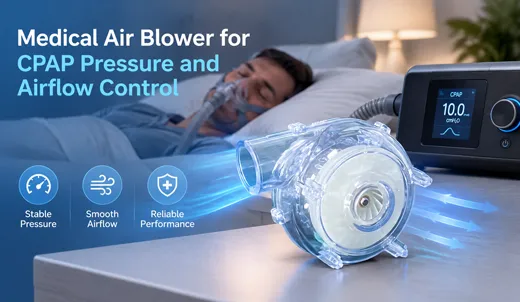
High-performance CPAP blowers—also known as medical air blowers—serve as the mechanical heart of every modern ventilation therapy device for Obstructive Sleep Apnea (OSA). While most end-users focus primarily on mask comfort, humidifier quality, or companion app features, OEM R&D engineers and procurement specialists understand a crucial fact: stable, rapid-response pressure and airflow control rely entirely on the miniature, brushless centrifugal medical air blower housed within the device. The TKFAN CPAP blower series is specifically engineered to address key industry challenges—including noise, vibration, dynamic response, biocompatibility, and long-term reliability—making them suitable for everything from portable travel CPAP units to full-sized home sleep therapy ventilators.

Check more
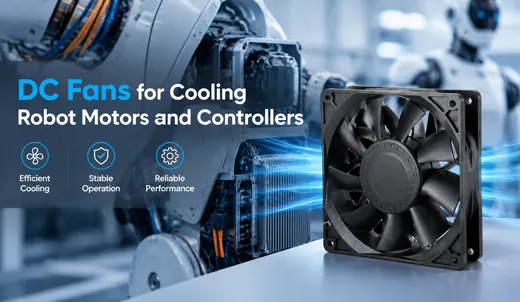
High-Performance DC Cooling Fans for Robot Motors and Controller Systems
28 September, 2026

DC fans for cooling robot motors and controllers

Thermal management remains one of the most critical engineering challenges in modern robotic systems. Reliable, long-term operation of robotic motors and motion controllers depends on well-designed active forced-air cooling. Selecting the right DC cooling fan dissipates waste heat, prevents thermal shutdowns, extends component lifespan, and ensures the precision of the robot's motion control.

Check more
Mini Air Blower for Humanoid Robot Thermal Management
23 September, 2026

Mini Air Blower for Humanoid Robot Thermal Management

The key to the commercialization of humanoid robots lies in overcoming thermal management challenges. Passive cooling quickly reaches its limits during dynamic operation, while liquid cooling solutions suffer from excessive weight, high sealing risks, and structural complexity. Against this backdrop, compact forced-air cooling solutions utilizing micro-blowers offer a lightweight, cost-effective, and balanced thermal management approach for humanoid robot components—including joint actuators, dexterous hands, torso computing modules, and head sensor assemblies.

Check more
Air Blower for LiDAR Cleaning in Autonomous Vehicles
22 September, 2026

Air Blower for LiDAR Cleaning in Autonomous Vehicles

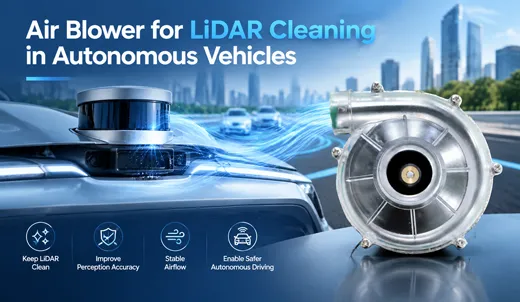
As the number of sensors on autonomous vehicles continues to rise and regulators increasingly tighten requirements for the real-world weather performance of ADAS and autonomous driving functions, automotive sensor cleaning blowers have evolved from "nice-to-have" accessories into critical components of safety systems. TKFAN’s LiDAR cleaning blower series features IP68-rated, AEC-Q100 certified centrifugal blowers available in various form factors and pressure specifications. These blowers support both distributed sensor-pod and centralized duct-based cleaning architectures, facilitating seamless integration for OEMs and Tier 1 suppliers [Visit the TKFAN automotive sensor cleaning blower product page](https://www.tkfan.com/products/airblower/auto-cleaning-air-blower.html).

Check more
Air Blower for ADAS Sensor Cleaning in Smart Vehicles
21 September, 2026

Air Blower for ADAS Sensor Cleaning in Smart Vehicles

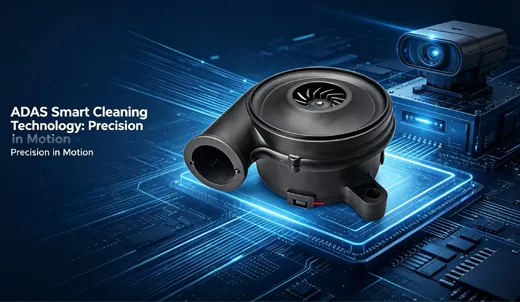
As ADAS perception hardware increasingly becomes standard equipment on new vehicles worldwide, addressing sensor surface contamination in real-world driving conditions has shifted from a value-added feature to a mandatory safety requirement. Automotive sensor cleaning blowers—specifically the established TKFAN product lines for automotive and ADAS sensors—provide stable, field-proven, non-contact airflow cleaning hardware for LiDAR and multi-camera perception systems.

Check more
How Airflow Resistance Changes Air Blower Performance
20 September, 2026

How Airflow Resistance Changes Air Blower Performance

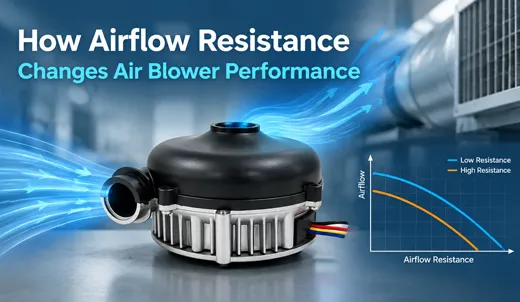
Airflow resistance is not a minor detail in blower integration; rather, it is one of the most critical factors determining the equipment's actual performance. The "free-air" airflow figures listed in manuals are merely laboratory reference values ​​intended for marketing purposes and rarely reflect the actual operating conditions within the finished unit.

Check more