


Executive Summary: Modern surgical procedures demand unprecedented precision and reliability. As a cornerstone of minimally invasive surgery, the ultrasonic surgical system (commonly known as the ultrasound knife or harmonic scalpel) relies on high-frequency mechanical oscillations. However, this microscopic mechanical friction generates extreme localized thermal energy. This article provides an in-depth technical analysis of why a premium micro DC centrifugal blower is the golden standard for ultrasound knife thermal management, ensuring zero thermal necrosis risk and extended device lifespans.
The Critical Role of Ultrasonic Surgical Systems in Modern Medicine
The ultrasonic surgical knife has revolutionized modern operating rooms by simultaneously cutting and coagulating tissues. Operating at frequencies typically between 55.5 kHz and 47.5 kHz, the harmonic scalpel converts electrical energy into high-frequency mechanical motion via an internal transducer. This rapid displacement allows surgeons to transect blood vessels and tissue bundles with minimal lateral thermal damage compared to traditional electrosurgery.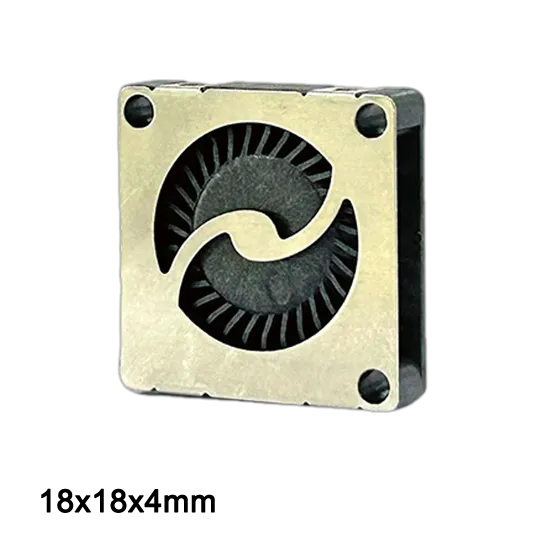
Despite its micro-precision benefits, the laws of thermodynamics present a significant engineering hurdle. The transducer, heavily reliant on highly sensitive piezoelectric ceramic rings, experiences rapid temperature spikes during extended activation cycles. Without a dedicated micro DC centrifugal blower or miniature cooling fan solution, the accumulating heat radiates back into the handpiece, compromising both human ergonomics and internal mechanical integrity.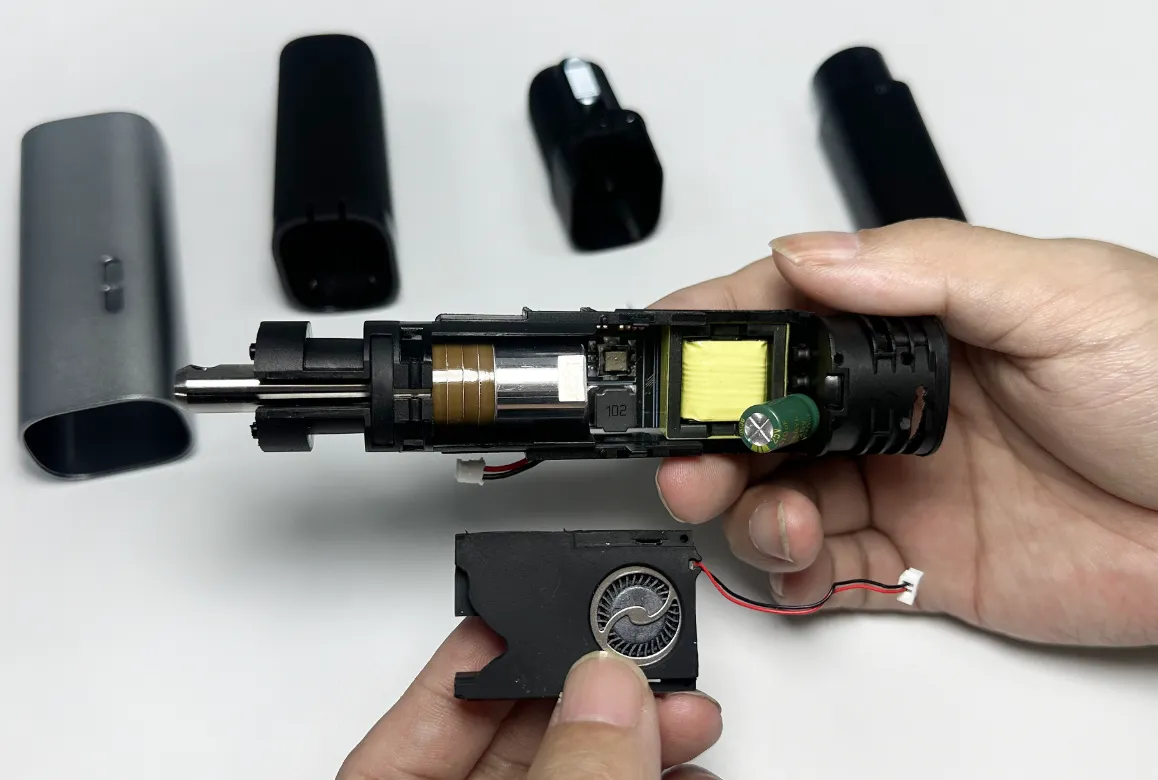
Figure 1: TKFAN Micro DC Centrifugal Blower Integration for Medical Ultrasound Handpiece
Understanding the Thermal Management Bottlenecks in Harmonic Scalpels
Why is thermal mitigation so crucial for a medical harmonic scalpel? The bottleneck lies deep within the handpiece transducer assembly. When the alternating electrical current deforms the piezoelectric crystals, acoustic waves travel along the titanium shaft to the active blade. This process features two primary heat sources:
- Piezoelectric Internal Friction: Constant high-frequency expansion and contraction generate internal dielectric loss, turning part of the electrical drive into structural heat.
- Reflected Blade Heat: While separating tissue, the friction coefficient spikes thermal levels up to 80°C - 100°C at the tip, part of which travels retrogradely back up the metallic structural waveguide.
If the internal temperature transcends the Curie Point of the piezoelectric elements, permanent depolarization occurs. Once depolarized, the harmonic scalpel suffers a drastic drop in vibration amplitude, rendering the tool ineffective mid-surgery. Hence, implementing an active, high-pressure medical cooling fan inside the generator control console or routing micro-airflow directly via a dedicated duct system into the handpiece is paramount for continuous clinical performance.
Key Requirements for Micro DC Centrifugal Blowers in Medical Devices
Medical-grade engineering stands apart from commercial hardware. A micro air blower destined for operating theater instruments must conform to extremely rigid aerodynamic and acoustic constraints. Below are the technical metrics that a premium micro blower manufacturer must satisfy:
| Technical Challenge | Engineering Requirement | TKFAN Optimized Solution |
|---|---|---|
| Spatial Constraints | Ultra-compact footprint (< 40mm) | Miniature 3D structural fluid profile optimization. |
| Static Pressure Needs | High static pressure to overcome micro-duct airflow resistance | Centrifugal forward-curved blades engineered via advanced CFD mesh modeling. |
| Acoustic Performance | Ultra-low operating noise (< 35 dB) | Dynamic balancing routines and specialized acoustic anechoic chamber validation. |
| Electrical Reliability | Zero EMI/RFI interference with internal EEPROM chips | Precision 3-phase sine-wave brushless motor drive circuitry. |
Overcoming High System Impedance with Centrifugal Design
Axial fans fail miserably when pushing air through narrow corridors like surgical handpiece cables or thin silicone tubing. This is because axial blades stall under high backpressure. Conversely, a micro DC centrifugal blower takes air axially from the center inlet and accelerates it centrifugally at a 90-degree vector through a concentrated scroll housing. This dynamic creates the concentrated static pressure necessary to drive refreshing air directly down the core of the ultrasonic transducer.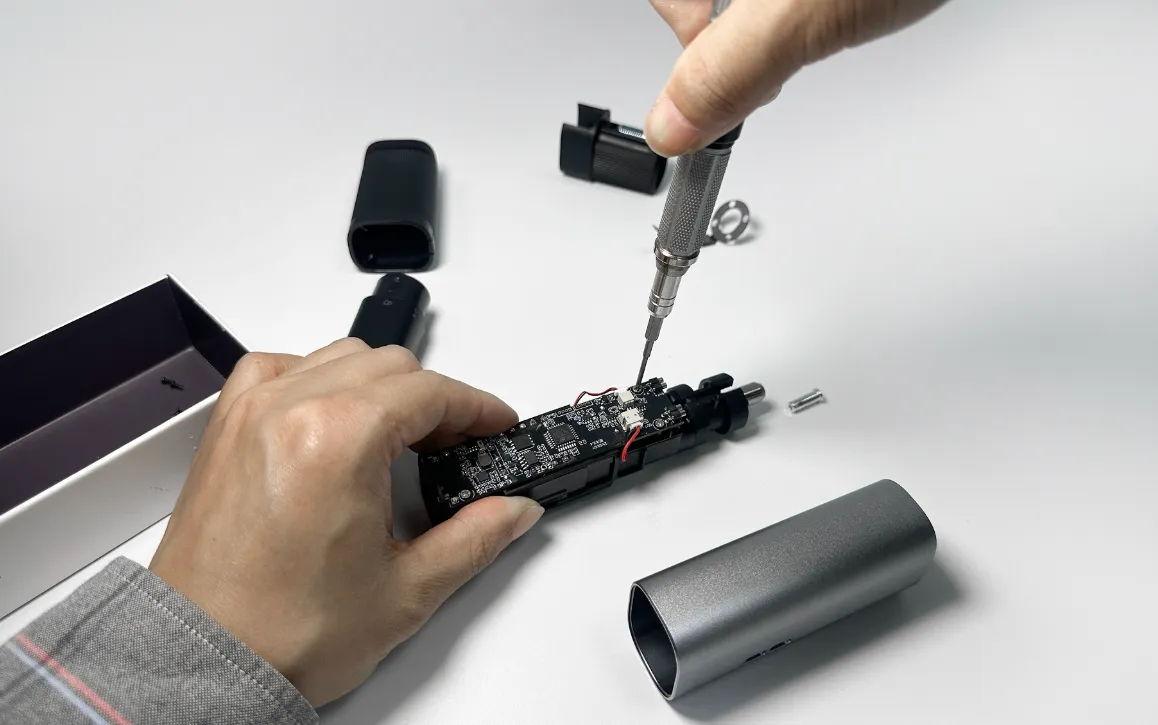
Figure 2: TKFAN Advanced CFD Fluid Mesh Generation and Velocity Streamline Cloud Analysis
The Advanced Technological Features of TKFAN Medical Miniature Blowers
As an industry-leading manufacturer of bespoke industrial cooling fans and thermal management solutions, TKFAN has systematically resolved the pain points of medical equipment OEMs. Our customized micro blowers integrate several core manufacturing breakthroughs:
1. High-Precision Aerodynamic CFD Verification: Every impeller profile undergoes rigid finite element analysis and flow calculation using Fluent software. Our engineers simulate the exact mesh generation and static pressure pathlines to ensure maximum volumetric airflow efficiency while eliminating parasitic vortex turbulence that leads to structural noise.
2. Industrial Grade BLDC Motor Drivers: The heart of our micro blower features a brushless DC architecture built on high-grade silicon steel stators and N52 neodymium rotors. This design guarantees stable torque curves, minimizing rotational cogging and ensuring an operational lifespan exceeding 50,000 continuous hours.
3. Strict Anechoic Chamber Validation: Hospital operating theaters demand total concentration. Our specialized sound laboratories and noise testing chambers isolate acoustic spectrum signatures down to 17dB background levels. This allows us to deliver high-pressure blowers that remain virtually silent to the surgical team.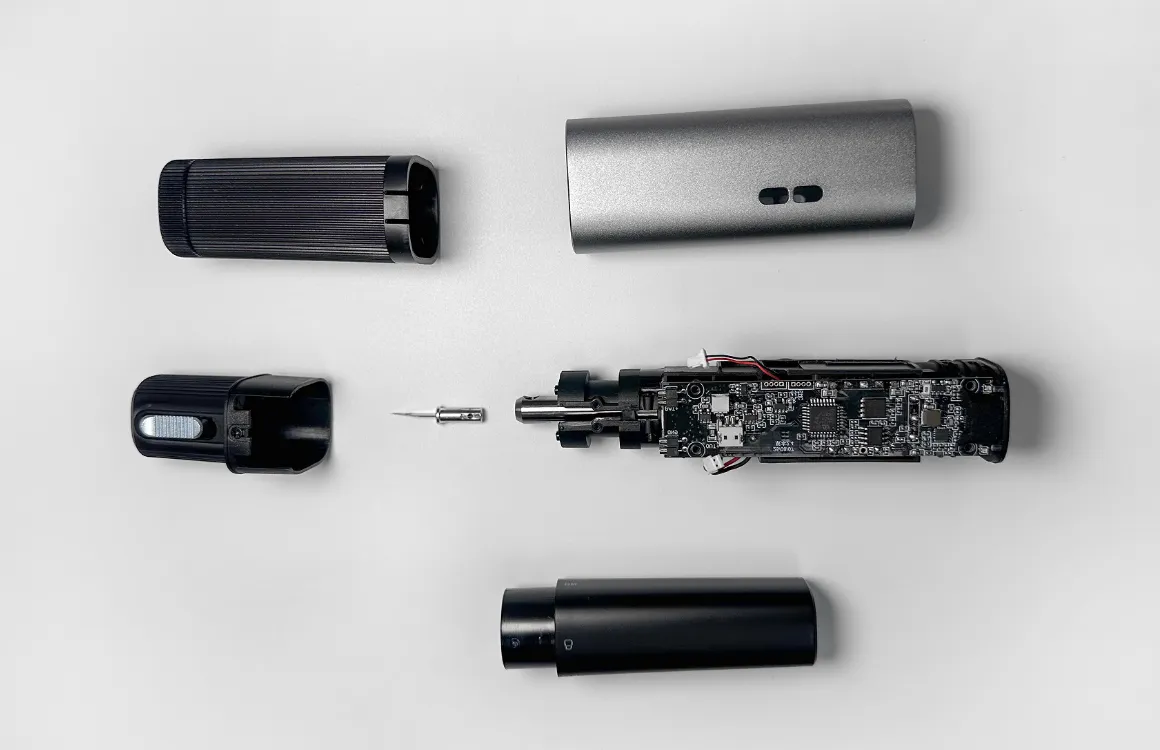 Figure 3: TKFAN State-of-the-Art Aerodynamic Wind Tunnel System and Professional Anechoic Chamber
Conclusion: Partnering with TKFAN for Tomorrow's Medical Devices
The trend toward miniaturized, handheld medical electronics requires premium thermal engineering from day one. Choosing the appropriate micro DC centrifugal blower for your ultrasonic surgical system directly determines clinical efficacy, doctor satisfaction, and product longevity. By combining cutting-edge fluid simulations with state-of-the-art physical manufacturing testing facilities, TKFAN delivers customized blowers that push the limits of power density and ultra-quiet execution. Contact our thermal application engineering team today to build custom prototypes optimized for your medical instrumentation needs.
Technical FAQ: Medical Micro Blowers & Thermal Management
Q1: Why are centrifugal blowers preferred over axial micro fans for harmonic scalpel cooling?
A: Centrifugal blowers are optimized for high system impedance. Because surgical cables and handpiece air routing ducts are tight and narrow, they exhibit massive backpressure. Axial fans experience aerodynamic stalling under these conditions, whereas centrifugal configurations use rotational inertia to deliver the high static pressure required to force air efficiently through restricted micro-channels.
Q2: How does TKFAN prevent electromagnetic interference (EMI) between the micro blower motor and the ultrasound knife's internal EEPROM chips?
A: Most advanced ultrasonic handpieces feature integrated EEPROM data chips to track tool activation cycles and transducer profiles. TKFAN custom micro blowers implement specialized 3-phase brushless DC motor control with optimized sine-wave driving topologies and shielded PCB traces to suppress high-frequency EMI/RFI emissions, keeping data streams completely error-free.
Q3: What methods are utilized to ensure the micro cooling blower maintains quiet acoustics during delicate operations?
A: We execute comprehensive CFD fluid simulations to map velocity streamlined pathlines, thereby eliminating micro-vortices within the scroll casing. Additionally, every impeller undergoes dynamic balance calibration on high-precision electronic equipment, with final acoustic spectrum signatures strictly tested and qualified in our dedicated anechoic sound laboratory chamber.
Q4: Can TKFAN customize micro DC centrifugal blowers to fit proprietary custom form factors?
A: Yes. TKFAN specializes in fully customized industrial thermal solutions. We can modify motor stator windings, adjust housing scroll geometeries via rapid CNC proto-typing, alter voltage parameters (such as 5V, 12V, or 24V DC configurations), and integrate specific digital PWM speed regulation options tailored to your device's automated control loops.
GET A QUOTE
Table of Contents
Latest Post

What are external-rotor motors and internal-rotor motors, and what are the differences between them?
14 September, 2026
The Critical Role of Blower Sealing Performance in PAPR, Particle Counter, and CPAP Medical Systems
14 August, 2026
Air Particle Counter Solutions: Working Principles, Brands & Architecture
25 July, 2026