

Brushed Motors vs. BLDC Motor Engineering Guide: Working Principles, Differences, and Industrial Air Blower Applications
Direct current (DC) electric motors serve as the foundational driving force behind countless modern technological innovations. They empower everyday consumer appliances, precision laboratory instruments, heavy-duty industrial automation actuators, and critical life-support medical devices, such as continuous positive airway pressure (CPAP) systems and mechanical ventilators. When design engineers and procurement teams evaluate motion control components, the primary decision centers on selecting between two distinct topologies: conventional brushed motors and advanced brushless direct current (BLDC Motor) technology.
While both motor types convert electrical energy into rotational mechanical energy, their internal commutation mechanisms diverge drastically. This fundamental mechanical difference directly influences operational lifespan, energy efficiency, acoustic noise, vibration profiles, thermal management, maximum rotational speeds, maintenance overhead, and total cost of ownership (TCO). Choosing the incorrect motor design for high-demand applications can result in premature system failure, excessive thermal stress, and high warranty recall rates.
This technical guide explores the operational mechanics of traditional brushed motors alongside the advanced engineering of the modern BLDC Motor. We will break down structural differences, present a comparative analysis, and showcase real-world implementation through high-speed medical and industrial air blower systems manufactured by TKFAN. Additionally, we will analyze why the specialized 24V TKFAN BLDC Motor architecture has become the global industry benchmark for continuous-duty, high-reliability applications.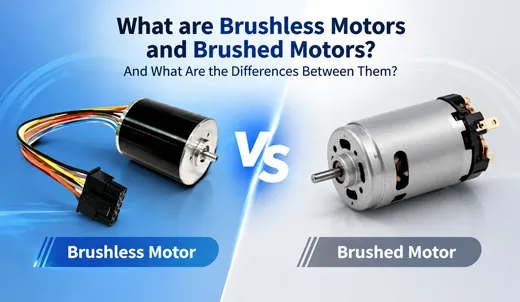
Understanding Conventional Brushed Motors
Traditional brushed motors represent one of the earliest forms of electromagnetic rotational propulsion, boasting over a century of continuous industrial application. Due to their simple physical design, they remain widely used in cost-sensitive, low-duty-cycle consumer products and basic electromechanical actuators.
Working Principle of Brushed Motors
The core operating mechanism of brushed motors relies entirely on mechanical commutation. Inside a standard brushed DC motor, wire windings are attached to the central rotating shaft, forming the armature (rotor). Stationary permanent magnets are positioned along the inner wall of the outer motor housing, serving as the stator.
To transfer electrical current to the moving armature, spring-loaded carbon blocks—known as brushes—physically press against a split copper ring mounted on the shaft, known as the commutator. As current flows from the power source through the carbon brushes into the commutator segments, it energizes the rotor coils, creating an electromagnetic field. This magnetic field interacts with the opposing magnetic field of the stationary stator magnets, generating torque and causing the shaft to rotate.
As the rotor turns, the mechanical sliding contact between the stationary brushes and the spinning commutator continually switches the polarity of the current flowing through the armature coils. This persistent switching sustains continuous rotational motion without requiring external control electronics.
Advantages of Brushed Motors
- Low Upfront Cost: Simple mechanical construction with minimal parts makes mass production inexpensive.
- Simple Control Infrastructure: Operates directly when connected to a DC power supply. Speed control can be managed using simple pulse-width modulation (PWM) or voltage scaling without complex driver boards.
- High Starting Torque: Delivers full torque output instantly at low speeds without needing driver firmware calibration.
Engineering Limitations of Brushed Motors
- Limited Operational Lifespan: Continuous mechanical sliding creates constant friction between carbon brushes and copper commutator bars. Typical operating lifespans range between only 1,000 and 5,000 hours under continuous load before brush depletion causes system failure.
- High Friction and Thermal Stress: Mechanical friction generates substantial heat within the internal rotor. Because heat originates inside the rotating core, thermal dissipation is poor, leading to internal thermal degradation.
- Acoustic Noise and Electromagnetic Interference (EMI): Constant mechanical sliding causes high physical friction noise. Electrical arcing across the brush-commutator gap generates broad-spectrum radio frequency interference (EMI) that disrupts nearby sensitive electronics.
- Rotational Speed Limits: High rotational velocities accelerate mechanical vibration, brush bounce, and rapid mechanical degradation. Standard brushed motors rarely sustain reliable operation above 10,000 RPM.
- Ongoing Maintenance Overhead: Applications with brushed designs require frequent teardowns, commutator cleaning, and carbon brush replacements, making them unsuitable for sealed or inaccessible systems.
Understanding the Modern BLDC Motor Architecture
A BLDC Motor (Brushless Direct Current Motor) eliminates physical carbon brushes and mechanical commutators. Instead, it relies on an external electronic motor driver (Electronic Speed Controller / Field-Oriented Controller) to manage phase commutation electronically.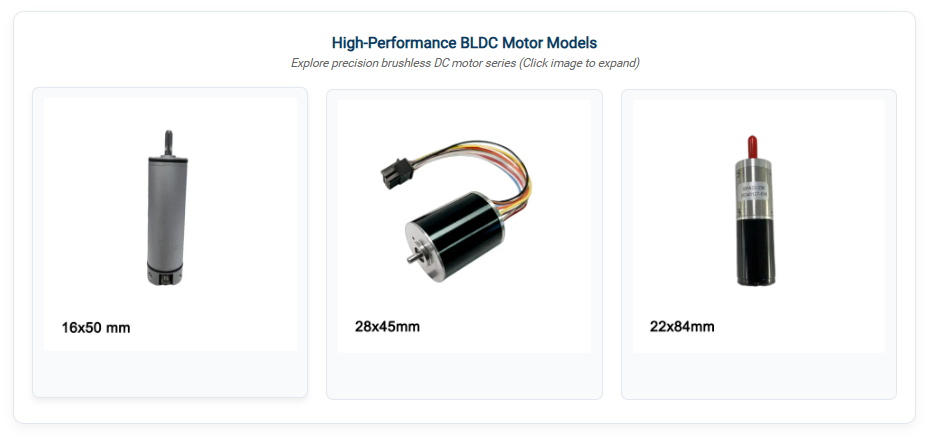
Working Principle of the BLDC Motor
The internal geometry of a BLDC Motor inverted relative to traditional brushed designs. High-energy permanent magnets are anchored directly to the central rotating rotor shaft, while multiple copper wire phase windings are mounted inside the stationary outer stator housing. There is zero conductive physical contact between the spinning rotor and stationary stator components.
To produce continuous rotation, an external driver sequentially energizes the stator phase windings in precise synchronization. To determine the exact sequence for coil energization, the electronic controller needs real-time feedback regarding the angular position of the rotor magnets. This positional awareness is achieved either through hardware Hall-effect sensors integrated into the stator or via sensorless Back-Electromotive Force (Back-EMF) detection algorithms.
When the controller energizes the stator windings in sequence, it produces a smoothly rotating electromagnetic field. This field continuously pulls the rotor magnets along, delivering consistent, precise output torque. Advanced systems utilize sinusoidal Field-Oriented Control (FOC) algorithms to eliminate torque ripple, minimize acoustic noise, and maximize mechanical output efficiency.
Core Design Advantages of the TKFAN BLDC Motor
- Superior Thermal Management: Copper windings are mounted directly against the outer stationary metal chassis, allowing thermal energy to dissipate rapidly into ambient air or attached heatsinks.
- Ultra-High Speed Capability: Lacking mechanical brushes, a premium TKFAN BLDC Motor can sustain continuous operating speeds ranging from 10,000 RPM up to 120,000 RPM without mechanical breakdown.
- Exceptional Energy Efficiency: By eliminating physical friction losses and electrical arcing, a BLDC Motor converts 85% to 95% of input electrical energy into mechanical power.
- Extended Lifespan: Bearing wear is the only mechanical limit. High-precision TKFAN units regularly achieve continuous operating lifespans between 20,000 and 50,000 hours.
Comprehensive Technical Comparison: Brushed vs. BLDC Motor
To assist system architects and procurement professionals in evaluating motion control components, the table below compares core performance metrics between standard brushed DC motors and brushless technology:
| Performance Metric | Conventional Brushed Motor | Advanced BLDC Motor |
|---|---|---|
| Commutation Method | Mechanical (Carbon Brushes + Copper Commutator) | Electronic (Driver Board, Hall Sensors / Back-EMF) |
| Wearing Components | Carbon Brushes, Commutator, Ball Bearings | Precision Ball Bearings Only |
| Energy Efficiency | 70% – 82% (Friction & Arcing Losses) | 85% – 95% (Optimized Electromagnetic Coupling) |
| Continuous Operating Life | 1,000 – 5,000 Hours (Limited by Brush Wear) | 20,000 – 50,000+ Hours (Limited by Bearing Lubrication) |
| Max Sustainable RPM | Typically < 10,000 RPM | Up to 100,000 – 120,000 RPM |
| Acoustic Noise & EMI | High (Arcing noise, mechanical rubbing, broad EMI) | Ultra-Low (< 30 dB in medical grades, low EMI) |
| Heat Dissipation Location | Internal Rotor (Difficult to cool passively) | Outer Stator Housing (Direct passive cooling) |
| System Control Hardware | Direct DC Voltage / Simple PWM Driver | Dedicated Microcontroller / ESC / FOC Drive |
| Maintenance Requirements | Periodic cleaning and brush replacement | 100% Maintenance-Free (Sealed Design) |
| Ideal Operational Profile | Intermittent duty, cost-critical basic applications | Continuous operation, high RPM, medical, high-reliability |
Real-World Application Focus: High-Speed Air Blower Engineering
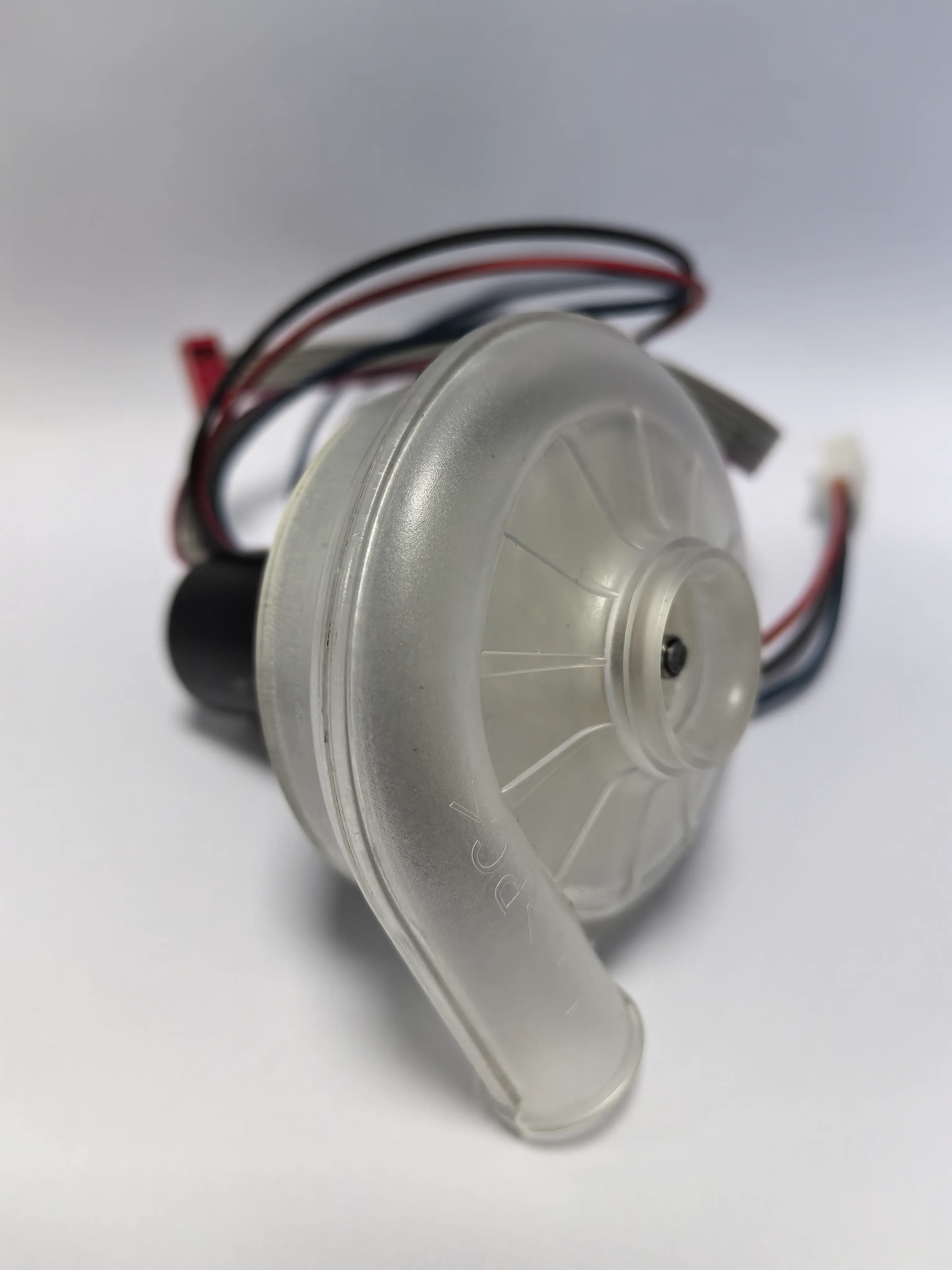
The technical differences between these motor architectures become obvious when evaluating critical equipment such as high-pressure medical and industrial air blower systems. An air blower relies on an internal high-speed centrifugal impeller powered by an electric motor to generate consistent air flow and pressure.
Early iterations of medical ventilation devices attempted to utilize standard brushed motors to drive internal fans. However, engineering teams quickly discovered major performance barriers:
- Premature System Failure: Continuous operation exhausted carbon brushes within months, leading to frequent system failures in critical environments.
- Acoustic Disruption: Friction noise and electrical arcing generated loud hums that disrupted patient sleep and increased stress in medical environments.
- Thermal Degradation: Internal rotor heat buildup caused premature insulation breakdown inside compact, sealed housing enclosures.
- Slow Dynamic Response: High rotor inertia prevented rapid speed adjustments needed to match instantaneous human inhalation and exhalation cycles.
Why TKFAN BLDC Motor Solutions Power Modern Blower Systems
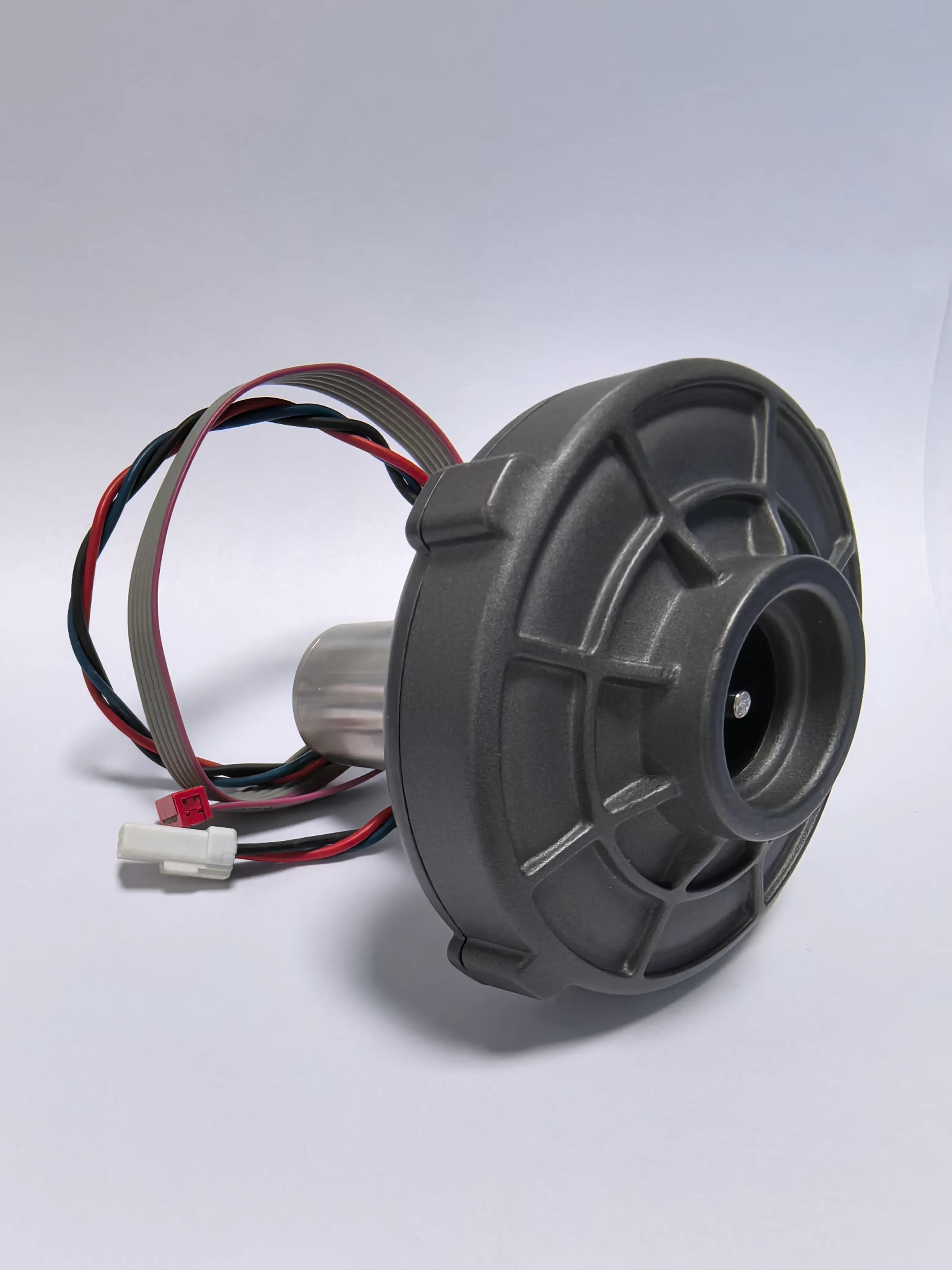
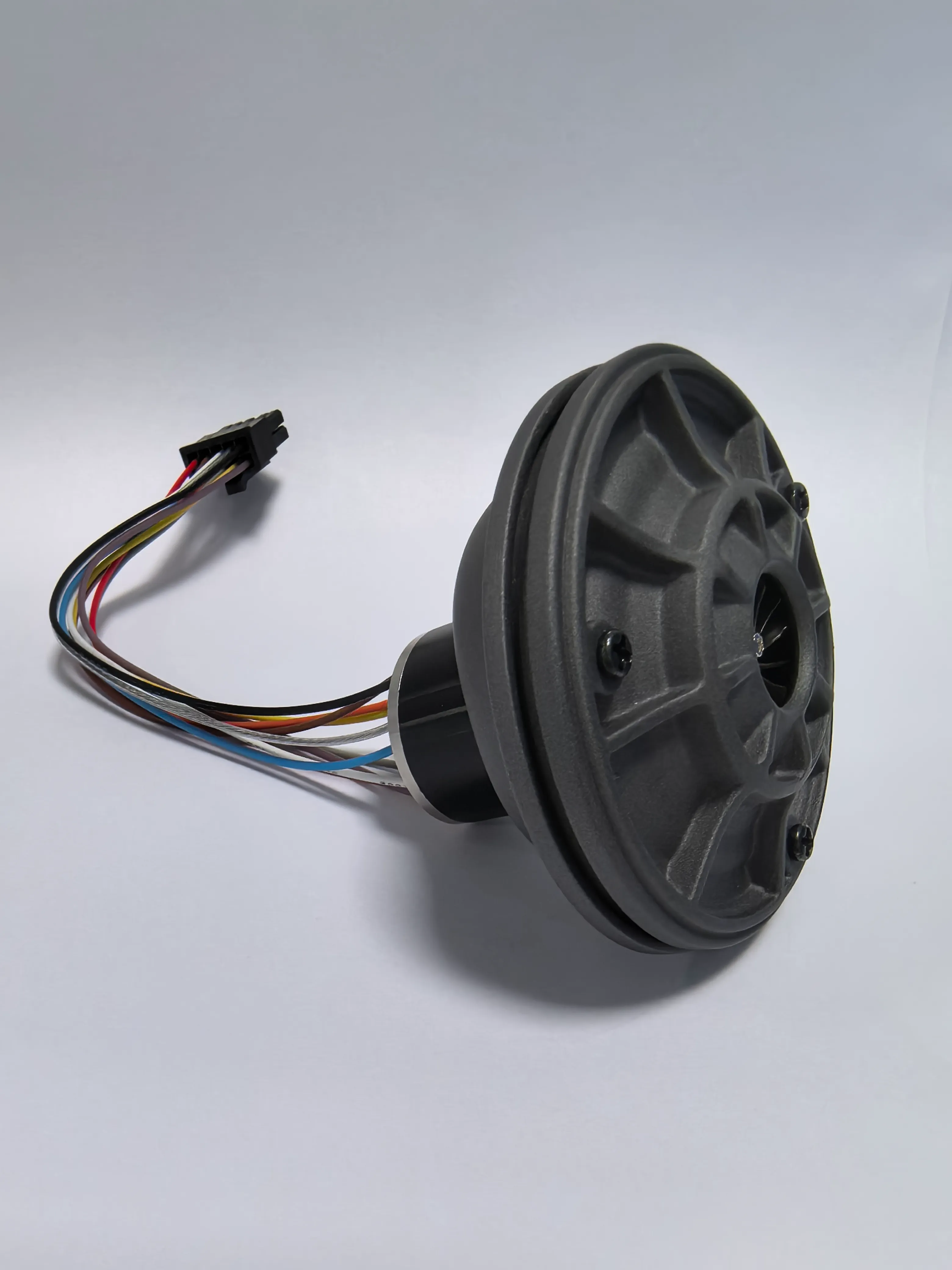
Modern ventilation equipment and high-pressure industrial blowers rely on brushless technology. As a primary developer of specialized motion solutions, TKFAN designs precision 24V brushless platforms specifically optimized for air blower integration, such as the flagship TKFAN BLDC Motor BLDC-52 series.
The TKFAN BLDC-52 represents a compact, high-density 24V motor platform engineered to overcome high-resistance airflow constraints:
- Continuous High-Velocity Output: Capable of sustaining continuous speeds up to 120,000 RPM, delivering stable, high-pressure airflow through restrictive ductwork and breathing circuits.
- Millisecond Dynamic Response: Low-inertia balanced rotor designs allow instantaneous acceleration and deceleration, tracking rapid demand fluctuations without pressure lag.
- Acoustic Isolation: Equipped with dual aviation-grade ball bearings and dynamic balancing adjustments, running operational noise levels below 30 dB.
- Biocompatible Construction: Internal insulation and mechanical components are manufactured from non-gassing, medical-grade materials to prevent air stream contamination.
- Environmental Ingress Protection: Featuring IP54-rated aluminum enclosures, the motor assembly resists dust intrusion and humidity from sanitization chemicals.
Primary Application Sectors for Brushed and BLDC Motors
1. Consumer Household Appliances
Intermittent-duty household goods—such as entry-level vacuum cleaners, personal grooming clippers, handheld kitchen mixers, and small personal desk fans—frequently employ brushed motors due to low manufacturing costs. Because these products operate for brief intervals, carbon brush wear remains within acceptable consumer usage limits over the product lifetime.
2. Automotive Auxiliary Systems
Modern passenger vehicles utilize tens of small 12V brushed motors for non-continuous auxiliary features, including power window lifters, side-mirror adjustment gears, windshield wiper linkages, and power seat positioning mechanisms. Conversely, continuous automotive systems—such as electric power steering (EPS), cabin HVAC blower fans, and EV battery cooling pumps—rely on a BLDC Motor to ensure reliable operation over hundreds of thousands of miles.
3. Industrial Automation and Air Handling
Heavy-duty manufacturing facilities require 24/7 continuous operation. High-efficiency TKFAN brushless motors power automated conveyor drives, precision label applicators, robotic positioning arms, and high-static-pressure air blower units used for cleanroom air filtration and sensitive electronic equipment cooling.
4. Precision Medical and Life-Support Devices
Medical devices such as CPAP units, clinical ventilators, surgical power tools, and laboratory centrifuges require precise control, long operational lifespans, zero particulate emissions, and low operational noise. In these vital applications, the high-reliability TKFAN BLDC Motor architecture is an essential industry requirement.
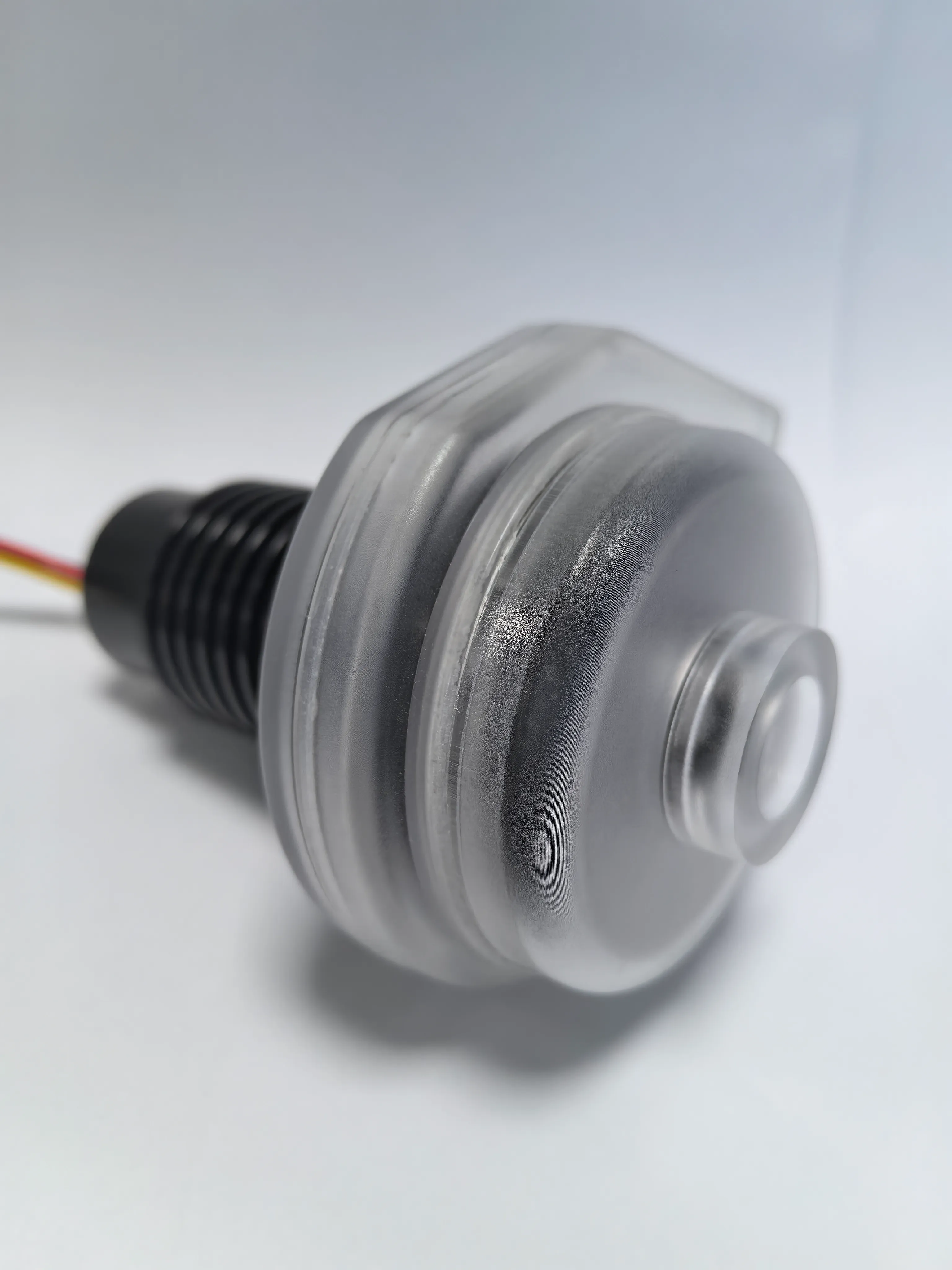
BLDC motor product image
Explore precision-engineered brushless DC motor assemblies (click image to enlarge)
Engineers' Decision Framework: Selecting the Optimal Motor Type
When choosing between brushed motors and a BLDC Motor for a new product design, engineering teams should evaluate six primary technical parameters:
- Duty Cycle and Operational Hours: If the target device must run continuously for thousands of hours, select a BLDC Motor. For brief, intermittent utility applications, brushed motors offer lower upfront costs.
- Rotational Speed Requirements: If operational speeds must exceed 10,000 RPM, a BLDC Motor is mandatory to prevent rapid mechanical destruction.
- Noise and EMI Sensitivity: Applications operating near patients, office spaces, or sensitive radio communication equipment require the ultra-quiet, low-EMI performance of brushless drive architecture.
- Environmental Accessibility: Sealed systems, submerged devices, or remote field installations that prevent physical maintenance require maintenance-free TKFAN brushless units.
- Thermal Dissipation Constraints: Compact enclosures requiring efficient external thermal transfer benefit from the stationary stator winding geometry of brushless motors.
- Upfront vs. Lifetime Budgeting: While brushed motors feature a lower initial purchase cost, a TKFAN BLDC Motor delivers a lower Total Cost of Ownership (TCO) by eliminating service calls, warranty repairs, and energy waste.
Frequently Asked Questions (Technical FAQ)
Q1: Can a BLDC Motor be connected directly to a DC power supply like a brushed motor?
No. A BLDC Motor requires an external electronic speed controller (ESC) or Field-Oriented Controller (FOC) to drive its phase windings in sequence. Connecting a brushless motor directly to a static DC power source without a controller will cause short circuits and thermal damage.
Q2: Why are 24V configurations the standard for medical air blower applications?
A 24V supply offers an optimal balance between current draw and operating safety. It reduces copper resistive losses (I²R) in motor windings while matching standard medical power supplies and battery backup systems.
Q3: How does a sensorless BLDC Motor determine rotor position?
Sensorless drivers monitor the Back-Electromotive Force (Back-EMF) voltage induced in the unenergized stator phase winding as the magnet-laden rotor spins. Advanced algorithms process this voltage signal to determine exact angular position without requiring physical Hall sensors.
Q4: What causes a brushed motor to generate electrical noise (EMI)?
As the carbon brushes continuously break and re-establish physical contact with rotating commutator segments, inductive energy causes micro-arcing. This electrical spark produces broad-spectrum radio frequency energy that contaminates electrical lines and impacts nearby electronics.
Q5: How does the lifespan of a TKFAN BLDC Motor compare to high-end brushed motors?
High-end brushed DC motors max out around 3,000 to 5,000 operational hours before brush wear stops function. A precision-engineered TKFAN BLDC Motor routinely exceeds 20,000 to 50,000 operational hours under rated loads.
Q6: Are brushless motors better suited for battery-powered portable devices?
Yes. Because a BLDC Motor operates at 85% to 95% efficiency compared to 70% to 80% for brushed designs, less energy is wasted as ambient heat. This efficiency translates directly to extended battery runtimes in portable equipment.
Q7: Can a high-speed air blower driven by a BLDC Motor run silently?
While moving high-velocity air creates aerodynamic noise, the motor driver can run silently. Combining sinusoidal FOC drivers with precision-balanced rotors and premium ball bearings allows a TKFAN BLDC Motor assembly to operate below 30 dB.
Q8: What mechanical maintenance is required for a sealed BLDC Motor?
Zero periodic mechanical maintenance is required. Because there are no internal carbon brushes to inspect or clean, a quality brushless motor remains completely maintenance-free throughout its service life.
Q9: Why do brushed motors suffer from heat buildup faster than BLDC units?
In brushed motors, electrical heat is generated inside the central spinning rotor core, which is isolated within an air gap. In a brushless unit, heat generates inside the outer stationary stator windings, dissipating directly through the outer metal housing.
Q10: Does TKFAN support custom engineering modifications for OEM blower integration?
Yes. TKFAN provides complete OEM/ODM customization services, including custom shaft dimensions, specialized mounting flanges, tailored winding parameters for specific RPM/voltage curves, custom wire harnesses, and medical-grade connectors.
GET A QUOTE
× ![Enlarged Preview]()