

High-Pressure Waterproof Cooling Fans: Reliable Thermal Solutions for Humid, Wet, and Corrosive Industrial Environments
If you operate outdoor telecom cabinets, marine electronics, EV charging infrastructure, solar inverters, coastal agricultural machinery, or automated equipment in humid workshops, you have likely encountered a high-frequency, costly equipment failure: standard cooling fans frequently malfunctioning, degrading, or scrapping early in high-humidity, salt-mist, rain-exposed, or heavily condensed operational environments. Conventional open-frame axial fans lack sealed protective architecture. Their printed circuit boards (PCBs), motor copper windings, and bearings are fully exposed, rendering them extremely vulnerable to electrical short circuits, mechanical seizure, bearing corrosion, and dust-induced lockup—completely destroying thermal dissipation capabilities.
High-performance waterproof cooling fans resolve these industry bottlenecks by completely isolating moisture, airborne dust, oil mist, and corrosive salt particles while continuously delivering stable, high static pressure output tailored for rigorous industrial environments. Specializing in industrial-grade brushless DC (BLDC) waterproof fans, TKFAN integrates advanced IP55 Parylene conformal coatings and IP68 complete vacuum epoxy encapsulation technologies. These specialized fans construct high-reliability thermal management systems explicitly built for extreme operational conditions, outdoor installations, and corrosive high-humidity applications.
This comprehensive engineering article analyzes the root causes of thermal fan failures, IP rating benchmarks, core sealing manufacturing processes, key technical parameters, targeted industrial application scenarios, precise selection methodologies, and OEM/ODM custom engineering services. This guide offers actionable insights for equipment engineers, procurement managers, and mechanical designers seeking long-term thermal stability. For detailed CAD drawings, complete data sheets, and sample ordering information, please consult our official product portal at TKFAN Waterproof DC Fan Solutions.
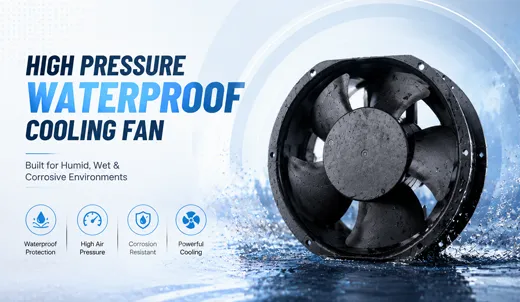
Figure 1: TKFAN Industrial High-Pressure Waterproof DC Cooling Fan engineered for outdoor and marine thermal management.
Why Conventional Cooling Fans Fail in Humid, Wet, and Corrosive Environments
In environments characterized by high relative humidity, standing water accumulation, salt spray exposure, and chemical vapors, the inherent structural flaws of unsealed standard cooling fans are magnified exponentially. Every year, industrial enterprises suffer significant financial losses due to unplanned equipment downtime, unexpected component replacements, and interrupted production schedules caused by improper fan selection. The four main failure mechanisms listed below demonstrate why industrial deployments demand heavy-duty waterproof cooling fans.
1. Moisture Ingress Leading to Electrical Short Circuits and System Burnout
Conventional DC axial fans feature bare circuit boards, exposed copper windings, and unsealed motor hubs. In environments where relative humidity consistently exceeds 85%—such as agricultural greenhouses, marine vessel compartments, outdoor battery energy storage systems (BESS), and commercial kitchens—ambient water vapor condenses directly onto energized electronic components. Microscopic liquid droplets bridge electrical traces, inducing catastrophic short circuits, driver IC failures, and sudden thermal system paralysis. Professional waterproof cooling fans eliminate short-circuit risks at the source by utilizing complete encapsulation structures that isolate all internal electrical assemblies from external moisture.
2. Airborne Salt Mist Accelerating Metal Corrosion and Bearing Seizure
Coastal installations, offshore platforms, agricultural spraying systems, and wastewater treatment facilities constantly generate airborne salt mist and vaporized chemical compounds. When saline particles penetrate standard fan housings, they rapidly oxidize the stainless steel shaft, motor stator laminations, copper coil wiring, and metal framework. Within weeks, friction increases, rotational speeds drop, and static pressure degrades, ultimately leading to mechanical rotor seizure. TKFAN waterproof fans utilize vacuum-potted epoxy resins combined with corrosion-resistant aluminum or high-grade PBT housings to physically block salt spray and chemical corrosive agents.
3. Dust, Water Droplets, and Oil Mist Layering and Airflow Degradation
Humid industrial workshops, food processing lines, and heavy equipment job sites generate dense airborne mixtures of fine particulates, grease mist, and water droplets. Standard open-construction cooling fans draw these airborne contaminants inward, depositing sticky residue across fan blades, stators, and motor winding gaps. Over a few months of continuous operation, air volume and static pressure can drop by 30% to 60%. IP68-rated waterproof cooling fans feature full dust-tight seals that prevent particulate accumulation, maintaining consistent high static pressure and volumetric airflow output over extended lifespans.
4. Equipment Overheating, Unplanned Downtime, and Soaring Maintenance Costs
When a primary cooling fan experiences sudden failure, critical heat-generating components—such as power inverters, RF power amplifiers, EV charger power modules, and main control boards—lose thermal protection. Unchecked thermal accumulation triggers thermal throttling, automatic emergency shutdowns, or permanent semiconductor destruction. Upgrading to industrial-grade waterproof cooling fans drastically reduces emergency repair dispatches, spare parts consumption, and production line halts, lowering the overall Total Cost of Ownership (TCO) across the equipment lifecycle.
Engineering Insight: Reliability in Extreme Environments
Selecting an IP68-rated fan is not merely about surviving water immersion—it is about guaranteeing heat dissipation capacity when air resistance is elevated by wet dust filters, dense internal heatsinks, or high ambient humidity levels.
IP55 vs. IP68: Technical Benchmark & Selection Guide for Waterproof Fans
The International Electrotechnical Commission standard IEC 60529 defines Ingress Protection (IP) ratings, serving as the benchmark for evaluating dust-tight and liquid-proofing capacities in cooling fans. TKFAN offers two primary industrial product series: IP55 (Water-resistant & Jet-proof) and IP68 (Submersible & Fully Hermetically Sealed). Matching the appropriate IP level to operational conditions is crucial for balancing cost efficiency with system reliability.
IP55 Waterproof Fans: Parylene Conformal Coating for High-Humidity & Jet-Spray Conditions
TKFAN IP55 series cooling fans utilize high-end Parylene vacuum vapor deposition coating technology. Through molecular gas-phase deposition, a ultra-thin, pinhole-free protective film is applied across the fan PCB assembly and copper windings. This aerospace-grade polymer layer adds negligible weight and thickness, preserving the fan's dynamic balance, aerodynamic design, and heat dissipation efficiency.
- Protection Capabilities: Resists low-pressure water jets (6.3mm nozzle), heavy rain splatter, and high-humidity condensation, paired with solid dust protection (IP5X).
- Ideal Applications: Outdoor telecom enclosures, humid workshop ventilation, greenhouse control units, outdoor LED displays, and smart sanitary devices.
- Key Advantages: Cost-effective, zero added rotational load, excellent dynamic balance, multi-voltage compatibility (12V, 24V, 48V, 220V), and PWM speed control integration.
IP68 Waterproof Fans: Full Vacuum Epoxy Encapsulation for Extreme Industrial Operations
TKFAN flagship IP68 waterproof DC fans employ a complete vacuum potting process. Inside a vacuum chamber, the motor stator, PCB, and drive circuitry are totally embedded within a high-density, void-free epoxy resin compound. This creates an impenetrable physical barrier representing the highest protection rating for industrial fans.
- Protection Capabilities: 100% dust-tight (IP6X), fully submersible up to 3 meters depth for over 72 consecutive powered hours, immune to high-pressure washdowns, salt spray, and oil mist.
- Ideal Applications: Marine electronics, offshore platforms, subsea equipment, coastal energy storage cabinets (BESS), EV superchargers, and industrial refrigeration condensing units.
- Key Advantages: Zero internal air pockets, immune to moisture entrapment, extreme chemical resistance, sustained static pressure performance, and ultra-long operational lifespan.
| Specification / Feature | IP55 Waterproof Cooling Fan | IP68 High-Pressure Waterproof Fan |
|---|---|---|
| Sealing Process | Parylene Vapor Deposition Conformal Coating | Full Vacuum Epoxy Resin Encapsulation |
| Water Resistance | Water jets, rain splash, high humidity condensation | Continuous submersion (>3m depth), high-pressure washdown |
| Dust Protection | Dust-protected (IP5X ingress protection) | 100% Dust-tight (IP6X complete hermetic seal) |
| Corrosion Resistance | Moderate; suitable for indoor wet and mild outdoor areas | Maximum; immune to salt spray, marine fog, and mild acid/alkali |
| Max Static Pressure | High static pressure (Up to 0.20 kPa) | Ultra-high static pressure (Reinforced custom designs) |
| Operating Voltages | 12V DC, 24V DC, 48V DC, 220V AC/EC | 12V DC, 24V DC, 48V DC (Custom high-voltage DC available) |
| Typical Operating Environment | Moderate humidity, outdoor cabinet rainfall, splash zones | Submerged, high-salinity coastal, heavy industrial washdown |
Core Manufacturing Technologies behind TKFAN Waterproof Fans
Maintaining high airflow and high static pressure performance within hostile operating environments requires precision engineering. TKFAN integrates four core technological pillars across design and manufacturing phases:
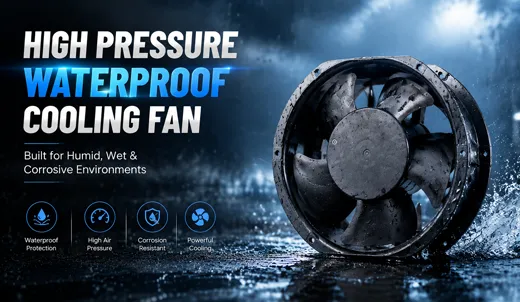
Figure 2: Precision vacuum potting system encapsulating motor stators and drive electronics in high-density epoxy.
1. Vacuum Epoxy Resin Potting Technology (IP68 Flagship Core)
Vacuum potting distinguishes TKFAN IP68 series cooling fans from surface-coated alternatives. During assembly, stator and PCB modules are placed inside sealed vacuum chambers. Negative pressure evacuates air from copper coil gaps and microscopic substrate fissures before thermosetting epoxy resin is injected. This eliminates internal air voids, preventing internal condensation under rapid thermal cycling. For example, TKFAN model DDW9225HH12B retains 106.7 CFM air volume and 0.20 kPa static pressure after 72 continuous hours submerged under powered test conditions.
2. Parylene Vapor Deposition Coating (IP55 Lightweight Protection)
For applications where fan mass and high rotational dynamics are critical, Parylene gas-phase conformal coating provides a reliable protective alternative. Deposited at the molecular level, this pinhole-free film coats complex geometry without altering the rotor's dynamic balance, preventing vibration, acoustic noise, or rotational drag during high-speed operation.
3. Dual Frame Material Options for Diverse Corrosive Environments
To withstand mechanical stress, thermal shocks, and chemical exposure, TKFAN offers fan housings in two distinct material configurations:
- Die-Cast Aluminum Alloy Frames: Exceptional mechanical strength, thermal conductivity, and heavy-duty corrosion resistance. Designed for marine systems, offshore platforms, and heavy equipment. Model DA17251HV48X utilizes an aluminum frame tailored for outdoor energy storage systems.
- High-Strength PBT Thermoplastic Frames: Lightweight, cost-effective, and immune to chemical oxidation. Ideal for municipal outdoor cabinets, commercial appliances, and greenhouse control hardware.
4. Aerodynamically Optimized Blade Designs for Sustained High Static Pressure
TKFAN waterproof fans feature curved, multi-blade axial impellers designed through Computational Fluid Dynamics (CFD) simulation. These blades generate focused airflow vectors that penetrate high-impedance system resistance created by dust filters, heat exchangers, and compact enclosures.
Standard Flagship Model Reference Performance
- DDW9225HH12B (92×92×25mm | IP55/IP68): 12V DC, 5500 RPM, Max Airflow: 106.7 CFM, Static Pressure: 0.20 kPa.
- DA17251HV48X (172×150×51mm | IP68 Metal Frame): 48V DC, 5000 RPM, Max Airflow: 362.0 CFM, Static Pressure: 0.04 kPa.
- Custom Micro & Large Series (60mm to 120mm): Customizable speed profiles reaching up to 150+ CFM in compact dimensions.
Primary Application Scenarios for High-Pressure Waterproof Fans
Engineered to operate reliably in challenging thermal environments, TKFAN waterproof cooling fans serve five major global industry sectors:
1. Renewable Energy & Outdoor Electrical Infrastructure
Outdoor power equipment operates exposed to rain, snow, direct solar heat, and condensation cycles, demanding durable cooling solutions.
- EV Supercharging Stations: High-pressure waterproof fans cool high-power DC charging modules, standing up to rainwater splash and road washdown without short circuits.
- Solar PV Inverters & Battery Energy Storage Systems (BESS): Outdoor lithium battery racks demand tight thermal control. IP68 waterproof fans regulate enclosure temperatures, preventing heat-induced battery degradation.
- Off-Grid Power Cabinets: Installed in tropical or coastal environments, IP68 fans resist continuous dew condensation and flash flooding risk.
2. Marine, Offshore, and Heavy Chemical Processing
Atmospheric salt mist quickly degrades standard cooling fans, making IP68 protection essential for maritime operations.
- Shipboard Navigation & Subsea Electronics: Radar systems, engine room monitoring units, and underwater sonar boxes rely on sealed fans to isolate sea spray and engine oil vapors.
- Wastewater Treatment & Chemical Facilities: Control cabinets exposed to hydrogen sulfide, chemical fumes, and high-pressure washdowns utilize epoxy-potted fans for stable thermal management.
- Agricultural Automation: Greenhouse sprayers and hydroponic control systems operate near 100% relative humidity, requiring moisture-sealed cooling units.
3. Smart City and Telecommunication Networks
Unattended municipal and telecom installations require maintenance-free cooling fans with high operational lifespans.
- 5G Remote Radio Units (RRU) & Base Stations: High airflow, high static pressure waterproof fans cool dense electronics inside outdoor telecom enclosures.
- Outdoor LED Displays & Traffic Control Units: Prevents inner glass fogging, thermal accumulation, and internal circuitry degradation caused by outdoor weather changes.
4. Commercial Appliances & Humid Commercial Facilities
- Commercial Refrigeration Condensers: Resists grease, water vapor, and high-pressure cleaning inside commercial kitchens and cold storage facilities.
- Smart Sanitary & Bathroom Controllers: Protects electronic driver boards in smart bidets and steam shower controls from hot water vapor intrusion.
5. Automotive Electronics and Heavy Machinery
- On-Board Chargers (OBC) & Powertrain Cooling: Auxiliary cooling fans withstand chassis mud spray, water crossings, and vibration.
- Heavy Construction Machinery PLC Enclosures: Keeps hydraulic system controllers cool in dusty, rain-exposed job sites.
Step-by-Step Precision Selection Guide for Industrial Waterproof Fans
Avoid common thermal management oversights by using this five-step engineering guide to select the ideal waterproof fan configuration:
- Step 1: Determine the Exact Ingress Protection (IP) Requirement
Select IP55 for rain-exposed, high-humidity, or light dust environments. Specify IP68 for total submersion risk, high-pressure washdowns, salt spray, or continuous chemical vapor exposure. - Step 2: Match Input Voltage and Power Bus Specs
Standard direct current options include 12V DC, 24V DC, and 48V DC. Custom high-voltage DC or 220V AC/EC conversions can be engineered to match your system's power delivery architecture. - Step 3: Calculate Required Airflow (CFM) and System Impedance (Static Pressure)
Account for internal flow resistance caused by dust filters, heat exchangers, and tight component spacing. Select high static pressure models (e.g., >0.15–0.20 kPa) to ensure adequate airflow through high-impedance enclosures. - Step 4: Confirm Mechanical Mounting Footprint and Outer Envelope
Choose from standard frame sizes (e.g., 60×60mm, 92×92mm, 120×120mm, 172×150mm) or request custom mounting brackets and shroud geometries for specialized enclosures. - Step 5: Define Intelligence Control and Wiring Features
Incorporate Tachometer (FG) speed signal output, Pulse Width Modulation (PWM) thermal speed regulation, custom wiring lengths, IP-rated connectors, or vibration-damping mounting studs.
TKFAN OEM/ODM Customization Services
When standard catalog models do not fit unique mechanical or electrical constraints, TKFAN offers end-to-end OEM and ODM customization services:
- Electrical Customizations: Custom operating voltages, custom PWM speed profiles, auto-restart functions, thermal sensor integration, and specialized wiring harnesses.
- Mechanical & Structural Customizations: Custom frame footprints, metal mounting brackets, modified impellers for reduced acoustic signatures, and anti-vibration isolation.
- Advanced Surface Treatments: Upgraded anti-corrosion coatings for extreme chemical exposure, conformal PCB dips, and marine-grade anodized aluminum frames.
- Rapid Prototyping & Testing: Engineered prototypes delivered within 48 hours, complete with IP protection verification, salt spray test reports (ASTM B117), and wind tunnel flow curves.
Technical Frequently Asked Questions (FAQ)
Q1: What is the primary operational difference between IP55 and IP68 waterproof cooling fans?
IP55 cooling fans utilize a Parylene conformal coating over circuit boards and windings to protect against rain, low-pressure water jets, and airborne humidity. IP68 cooling fans feature a complete vacuum epoxy resin encapsulation, making them fully dust-tight and capable of continuous under-water operation while resisting harsh salt spray and high-pressure washdowns.
Q2: Does full vacuum epoxy encapsulation reduce fan airflow or static pressure performance?
No. TKFAN's precision vacuum potting process eliminates internal air bubbles while maintaining precise dynamic balancing of the rotor assembly. Wind tunnel testing confirms that airflow (CFM), static pressure (kPa), and power efficiency remain fully equivalent to non-encapsulated standard models.
Q3: Can TKFAN IP68 waterproof fans withstand coastal salt-mist corrosion over multi-year lifespans?
Yes. By isolating copper windings, PCB traces, and driver ICs inside solid epoxy resin, corrosive sodium ions cannot make contact with energized components. Paired with optional aluminum frames subjected to salt spray testing, TKFAN fans deliver long-term reliability in marine and coastal installations.
Q4: How fast can TKFAN deliver customized waterproof fan prototypes?
Standard customized prototypes (covering specific wire lengths, connectors, voltage tweaks, and PWM profiles) can be engineered, tested, and dispatched within 48 hours. Complex structural OEM modifications follow an accelerated prototyping schedule.
Q5: What input voltage options are supported across your industrial waterproof series?
Standard direct current models operate on 12V DC, 24V DC, and 48V DC power rails. Custom high-voltage DC variants or 220V AC/EC converted models can also be supplied upon request.
Q6: How does high static pressure assist cooling inside compact outdoor enclosures?
High static pressure overcomes system impedance caused by fine-mesh dust filters, dense heatsinks, and narrow ventilation paths. This ensures the required cubic feet per minute (CFM) of air continues to move through the cabinet even under dirty or wet filter conditions.
Q7: Can your waterproof fans operate reliably in sub-zero or extreme high-temperature environments?
Yes. TKFAN industrial-grade waterproof fans utilize specialized wide-temperature bearings and automotive-grade potting compounds capable of operating across a standard range of -40°C to +85°C without cracking or thermal degradation.
Q8: What speed control and monitoring signals can be integrated into your waterproof DC fans?
We support Frequency Generator (FG) tachometer speed feedback output, Rotation Detection (RD) alarm signals, and Pulse Width Modulation (PWM) input speed control for dynamic temperature-based fan speed regulation.
Q9: Are TKFAN waterproof cooling fans certified to international quality standards?
Yes. All TKFAN manufacturing facilities operate under ISO 9001 quality management systems. Our product lines hold UL, CE, RoHS, and REACH certifications, alongside third-party IP68 ingress verification test reports.
Q10: Where can I request CAD files, data sheets, and official pricing for TKFAN waterproof fans?
You can access technical documentation, download dimensional 2D/3D CAD models, or submit sample requests directly via our dedicated product page at TKFAN Waterproof Fan Product Page or by clicking the inquiry button below.
Conclusion: Eliminate Equipment Failure Risks with High-Pressure Waterproof Cooling Fans
In high-humidity, wet, and corrosive industrial applications, selecting low-cost, unsealed cooling fans leads to recurring field failures, elevated repair expenses, and reputational damage. Leveraging aerospace-grade Parylene conformal coatings and complete vacuum epoxy potting, TKFAN High-Pressure Waterproof DC Cooling Fans deliver long-term protection, high static pressure output, and proven reliability across renewable energy, marine engineering, telecommunications, and heavy industrial automation sectors.
Whether your design requires a cost-effective IP55 rain-resistant solution or an ultra-rugged IP68 submersible, salt-mist immune cooling fan, TKFAN provides standardized catalog products alongside customized OEM/ODM engineering support. Protect your mission-critical equipment from thermal overload and moisture damage today.
GET A QUOTE