

Air Blower Maintenance Guide: Preventive Care, Troubleshooting & Lifespan Optimization
Proper air blower maintenance is one of the most critical operational procedures to safeguard equipment investments, maintain peak system efficiency, and maximize the operational lifespan of forced-air ventilation and cooling hardware. Modern high-pressure brushless DC (BLDC) blowers—such as those engineered by TKFAN—deliver precise, reliable, and continuous airflow across demanding medical, automotive, industrial, and automated processing environments. These precision-engineered systems power medical ventilators, Continuous Positive Airway Pressure (CPAP) devices, Advanced Driver Assistance Systems (ADAS) sensor-cleaning apparatus, optical particle counters, air-cushion packaging machinery, and high-density electronic chassis.
Even premium-grade brushless DC air blowers experience performance degradation over thousands of continuous operating hours if routine preventive care is neglected. Environmental stress factors such as fine particulate accumulation, intake flow restrictions, vibration-induced hardware loosening, micro-shocks, and sustained thermal stress silently compromise component integrity. Left unaddressed, these issues cause unscheduled machine downtime, unexpected drop-offs in volumetric airflow rate, reduced static pressure output, and premature equipment mortality.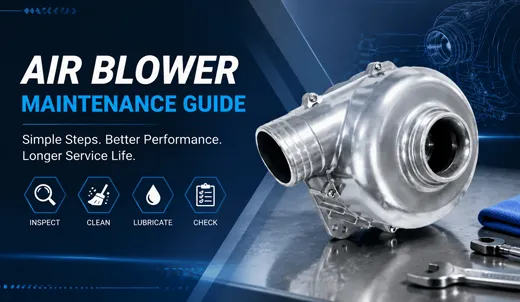
Why Rigorous Air Blower Maintenance is Vital
System designers and field technicians often underestimate the compound impact of micro-environmental hazards on high-speed rotational components. A modern miniature high-pressure blower operates at rotational speeds exceeding 20,000 RPM. At these high velocities, even microscopic dust layers on the impeller blades introduce mechanical imbalance, accelerating bearing wear and increasing electrical power consumption.
When an air blower suffers performance degradation, the primary application hosting the blower incurs immediate downstream consequences:
- Medical Respiratory Support Equipment: Fluctuations in static pressure compromise oxygen delivery accuracy, presenting clinical compliance risks in CPAP and ventilator units.
- Optical & Laser Particle Counters: Variable sampling flow rates distort analytical measurements, leading to false cleanroom classification reads.
- Automotive ADAS Cleaning Systems: Insufficient purge pressure leaves camera lenses, LiDAR covers, and optical sensors obscured by moisture or road debris.
- Compact Industrial Electronics: Reduced cubic-feet-per-minute (CFM) output leads to localized thermal runaway, causing critical microprocessors and power supplies to trip safety thresholds.
Implementing a structured preventive air blower maintenance protocol yields clear operational benefits:
- Extended Lifespan: Adds thousands of trouble-free operating hours to the blower's service lifecycle.
- Sustained Performance: Ensures output flow rate and static pressure remain strictly within factory specs.
- Minimized Downtime: Prevents sudden equipment stops in high-reliability 24/7 environments.
- Noise & Vibration Control: Keeps acoustic emissions and physical resonance within low-decibel design parameters.
- Protected System Assets: Prevents costly secondary damage to host machines caused by overheating or airflow starvation.
CRITICAL MAINTENANCE NOTICE: Preventive air blower maintenance must be strictly non-invasive. Field disassembly of the housing, motor stator, or impeller balance clips destroys factory dynamic alignment, invalidates warranty coverage, and risks catastrophic bearing failure. If internal components are damaged, consult an authorized supplier or replace the unit with a matching model from TKFAN Blower Products Catalog.
Identifying Early Signs of Air Blower Performance Degradation
Effective troubleshooting relies on early detection before complete electromechanical failure occurs. Integrating simple visual, auditory, and tactile checks into daily operational inspections allows operators to catch minor anomalies early. Look out for these early warning signs:
1. Reduced Airflow or Airflow Fluctuation
A drop in static pressure or volumetric airflow is the primary indicator that an air blower requires maintenance. Operators may notice that system pressure monitors trip alarms, or that the blower output pulsates despite a constant Pulse Width Modulation (PWM) speed signal. Primary root causes include clogged intake grilles, particulate build-up along impeller blades, internal motor driver degradation, or high resistance at electrical terminal points.
2. Unusual Acoustic & Noise Profiles
Every rotating blower produces a consistent baseline aerodynamic hum. Abnormal acoustic signature changes—such as high-pitched whining, grinding, rattling, or clicking—indicate physical issues. These sounds typically result from foreign debris entering the scroll housing, worn ball bearings, loose mounting hardware, or dynamic imbalance caused by dust accumulation. Acoustic increases warrant immediate physical inspection in noise-sensitive settings such as medical wards or office labs.
3. Elevated Physical Vibration
While low levels of physical vibration are standard for high-speed rotating equipment, noticeable vibration felt across the housing, mounting brackets, or wire harness points to a malfunction. Uneven dust deposits on tiny impeller blades throw the rotating assembly off-center. Loose installation screws, misaligned ducting, and progressive bearing degradation amplify vibration. Left uncorrected, continuous vibration fatigue-cracks solder joints, loosens electrical terminals, and damages internal motor windings.
4. Thermal Overload & Housing Overheating
If the surface temperature of the blower housing exceeds standard operating limits, immediate thermal management intervention is necessary. Overheating is commonly caused by restricted intake/exhaust ports, elevated ambient temperatures, duty-cycle overloads, or increased internal friction inside the bearing assembly. Prolonged high-temperature exposure degrades coil insulation and onboard control electronics, causing irreversible damage.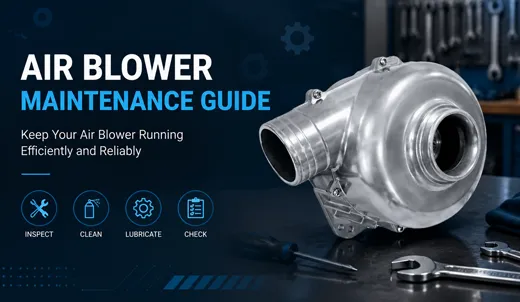
5. Intermittent Startups & Random Shutdowns
Unstable operation—such as failing to spin up, sudden shutdowns, or erratic responses to PWM control signals—typically points to loose harness pins, oxidized connector terminals, or failing motor driver circuits. If the blower includes a Tachometer (FG) or Rotation Detector (RD) signal wire, erratic signal outputs serve as valuable diagnostic indicators for predictive maintenance.
6. Physical Damage & Environmental Contamination
Visual inspection should check for structural cracking on the housing plastic, bent intake grilles, frayed wire insulation, corrosion on connector pins, or liquid ingress on non-waterproof models. Microscopic structural defects exacerbate under continuous stress, eventually leading to housing failure or internal short circuits.
Step-by-Step Air Blower Cleaning and Inspection Protocol
Follow this standardized, non-invasive cleaning and inspection protocol to safely maintain your air blower:
| Step | Action Item | Standard Operating Procedure (SOP) | Safety & Quality Notes |
|---|---|---|---|
| 01 | Power Isolation | Disconnect main power supply; unmate electrical harness connections completely. | Verify 0V status using a multimeter before touching hardware. |
| 02 | Intake/Exhaust Audit | Inspect inlet grilles and outlet flanges for dust buildup, lint, or debris blocks. | Check filter elements for replacement triggers; clear external blockages. |
| 03 | External Surface Cleaning | Wipe down exterior surfaces using lint-free microfiber cloth or soft-bristle brushes. | Do NOT use high-pressure air guns or submerge non-IP rated blowers. |
| 04 | Harness & Connector Inspection | Examine lead wires for chafing or crimping; inspect connector terminals for corrosion. | Re-seat loose pins. Replace whole unit if wire insulation is compromised. |
| 05 | Hardware & Mount Check | Verify mounting screw torque and inspect anti-vibration rubber grommets. | Do not over-torque screws into plastic housings to prevent structural cracking. |
| 06 | Operational Test | Reconnect electrical lines, supply nominal voltage, and monitor start-up behavior. | Check for abnormal noise, elevated surface heat, or erratic tachometer readings. |
Optimizing Noise, Vibration, and Thermal Performance
Acoustic emissions, mechanical vibration, and heat dissipation are interrelated factors influencing overall blower longevity. Managing these elements requires proper mechanical integration and thermal design:
Noise Reduction Best Practices
- Ensure Unobstructed Intakes: Restricted intake ports induce severe turbulence, significantly raising aerodynamic noise levels.
- Maintain Filter Cleanliness: Clogged air filters alter internal pressure dynamics, generating turbulent whistling and increasing motor load.
- Implement Isolation Mounting: Use OEM-approved rubber isolators or silicone grommets to prevent structural vibration from transferring to the main enclosure frame.
- Operate Within Voltage Ratings: Running blowers above rated voltage limits drives motor speeds into unstable aerodynamic zones, creating high acoustic output and accelerated wear.
Vibration Suppression Techniques
- Torque installation fasteners evenly according to manufacturer specifications to avoid housing twisting.
- Keep intake filter elements clean to stop dust from settling unevenly on impeller blades and causing dynamic unbalance.
- Secure wiring harnesses with strain-relief ties so external forces do not transfer vibration into the internal housing.
Thermal Management & Overheating Prevention
- Provide Ventilation Clearance: Ensure adequate free space around intake and exhaust ports. Avoid placing the blower inside sealed compartments without ambient air exchange.
- Manage Ambient Operating Temperatures: Position blowers away from high-power resistors, heating elements, or unshielded power supplies. Avoid direct solar exposure in outdoor enclosures.
- Leverage Built-In Signal Monitoring: Use built-in FG speed feedback and RD alarm outputs to trigger automatic thermal shutoffs before motor windings sustain permanent heat damage.
DESIGNER TIP: For applications running continuously 24 hours a day, 7 days a week, select blowers rated specifically for 100% duty-cycle operation. Choosing an IP67/IP68 waterproof and dustproof blower variant prevents micro-condensation from causing winding shorts or bearing rust in humid environments.
Maintenance Strategies for 24/7 Continuous Operation
Continuous-duty air blowers used in life-support medical units, industrial processing lines, and critical telecommunication racks require structured maintenance programs:
- Maintain Comprehensive Maintenance Logs: Record inspection dates, measured surface temperatures, acoustic levels, vibration observations, and filter replacement schedules. Logged telemetry helps identify gradual performance drops over time.
- Schedule Maintenance by Runtime Hours: Rely on operational run hours rather than calendar time. High-duty blowers accumulate thousands of operating hours quickly, requiring shorter maintenance intervals even in clean environments.
- Keep Direct Replacement Units On Hand: Maintain identical spare blowers with matching electrical parameters (voltage, CFM, static pressure, PWM logic, and pinout profiles) to minimize unplanned downtime.
- Use Genuine OEM Accessories: Always use factory-authorized replacement filters and mounting gaskets. Generic aftermarket filters often create excessive flow resistance, altering operating conditions and accelerating motor fatigue.
When to Replace Your Air Blower
Knowing when to decommission an aging air blower protects upstream host hardware from collateral failure. Replace the blower immediately if any of the following conditions occur:
- Performance (flow rate and static pressure) remains below required system thresholds after completing all external cleaning and wiring checks.
- The plastic housing exhibits physical damage, structural cracking, warped mounting flanges, or internal impeller contact marks.
- The unit displays intermittent startup failures, unexplained operational stops, or unreadable FG/RD monitoring signals attributable to internal driver failure.
- The total runtime hours approach or exceed the manufacturer's rated bearing service life (L10 lifespan rating).
- The blower operates in critical safety apparatus (medical ventilators, toxic gas detectors) where preventive replacement avoids high-risk field failures.
Frequently Asked Questions (Technical FAQ)
Q1: How often should routine air blower maintenance be performed?
Maintenance frequency depends on the operating environment. Cleanrooms and medical environments require inspection every 3 to 6 months. Standard indoor industrial applications require checks every 1 to 3 months, while high-dust, humid, or harsh industrial environments demand service every 2 to 4 weeks.
Q2: Can I disassemble the air blower housing to clean the internal impeller?
No. Disassembling the air blower housing voids the manufacturer warranty and destroys the factory-calibrated dynamic balancing of the impeller. Internal cleaning should only be performed by authorized service facilities.
Q3: What are the primary factors that cause premature air blower failure?
The primary causes of failure include intake air obstruction, unmanaged thermal buildup, excessive vibration from loose mounts or imbalanced impellers, overvoltage/undervoltage operations, and ingress of moisture or particulate contaminants.
Q4: Why did my air blower become significantly louder after performing external cleaning?
If noise increases after cleaning, check if debris fell into the intake housing during maintenance, or if mounting hardware was improperly torqued. Persistent noise indicates internal bearing wear or permanent dynamic imbalance.
Q5: Is it normal for a high-pressure brushless air blower housing to feel warm to the touch?
Moderate warmth during continuous full-load operation is normal. However, if the housing becomes too hot to touch comfortably, it indicates thermal overload, airflow restriction, elevated ambient temperatures, or internal electronic degradation.
Q6: Can damaged wiring or connectors on an air blower cable harness be spliced and repaired?
While temporary splices are possible in emergency field scenarios, field-spliced wiring on high-vibration equipment leads to contact resistance, voltage drops, and fire risks. Replacing the blower assembly or harness via the OEM vendor is recommended.
Q7: Where can I source exact match replacement air blowers with custom OEM specifications?
You can source standard and custom brushless DC blowers directly from TKFAN at https://www.tkfan.com/products/air-blower.html, offering customized voltage, connectors, airflow, pressure, and PWM speed options.
Q8: What is the difference between a FG speed feedback signal and an RD alarm signal?
An FG (Frequency Generator/Tachometer) signal outputs continuous pulses proportional to rotation speed for real-time monitoring. An RD (Rotation Detector/Locked Rotor) signal outputs a logic state change only when the motor drops below operational RPMs or stops entirely.
Q9: How does excessive backpressure affect brushless DC blower lifespan?
High backpressure restricts airflow over the internal motor components, causing thermal buildup in the stator windings and drive circuitry while increasing mechanical stress on the bearings, accelerating electrical and mechanical wear.
Q10: What environment requires IP-rated waterproof air blowers?
Applications exposed to condensation, high ambient humidity, water spray, outdoor weather conditions, or direct fluid splash require IP54 to IP68 rated blowers to prevent short circuits and structural corrosion.
GET A QUOTE