

Frequently Asked Questions about CPAP Blowers for Medical Ventilators
1. What is a CPAP blower?
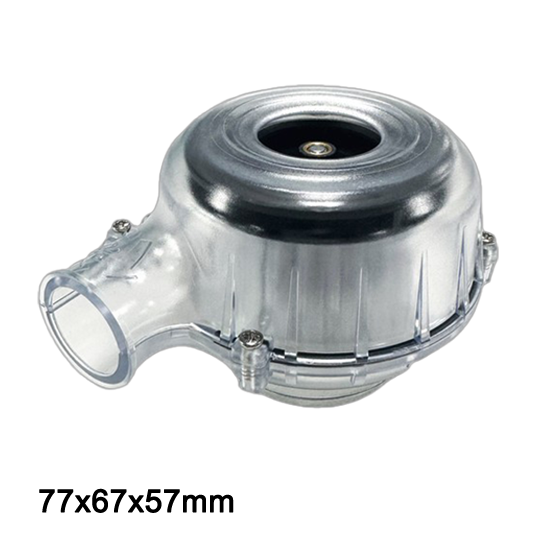
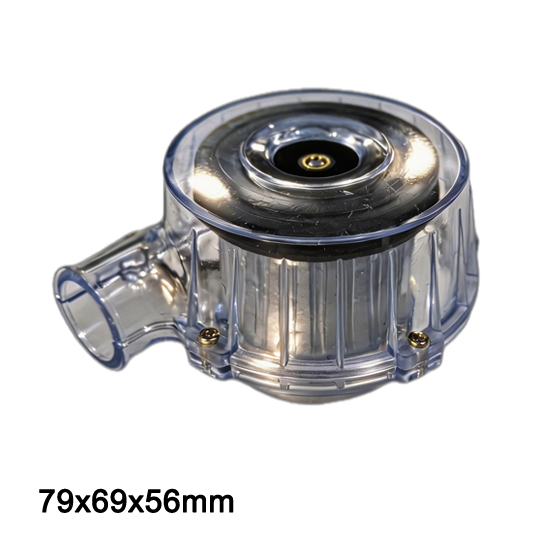
A CPAP blower is an oil-free centrifugal blower specifically designed for continuous positive pressure ventilation (CPAP) devices. As the core air supply component of a ventilator, this medical blower can output a stable and continuous airflow, ensuring constant airway pressure during sleep apnea therapy. Conventional ventilator blowers generally use a 24V DC brushless structure with high speed control precision.
2. How does a medical centrifugal blower work?
A medical centrifugal blower relies on the high-speed rotation of an impeller to generate centrifugal pressure, compressing the air and outputting a stable airflow with adjustable pressure and volume. When applied in CPAP
scenarios, the entire air duct is kept oil-free and clean, with no dust precipitation, fully complying with medical respiratory safety standards.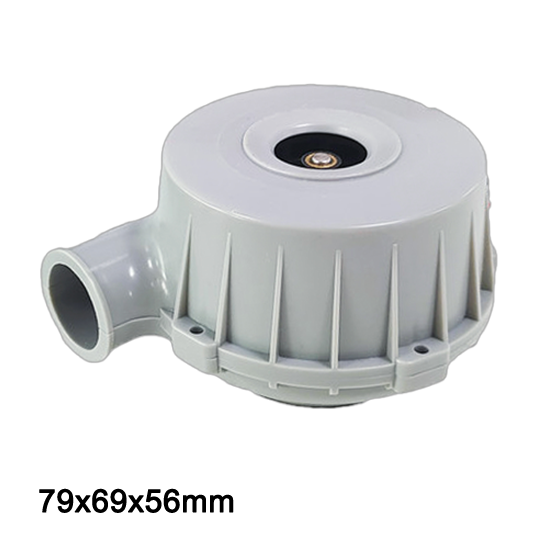
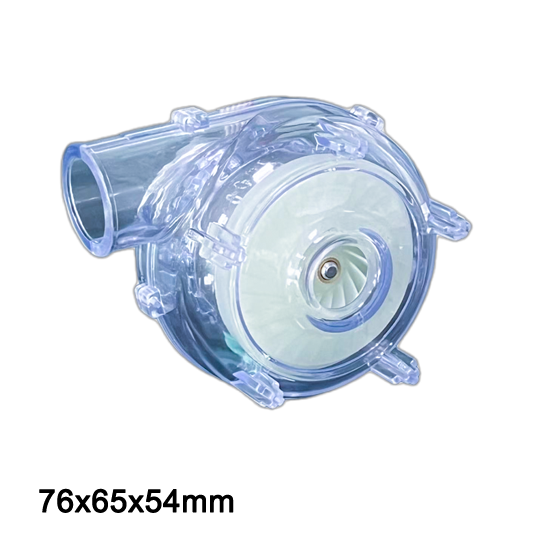
3. What type of blower is typically used in home ventilators?
Home and medical-grade CPAP devices generally use small, low-noise CPAP blowers, all of which are 24V DC. These types of ventilator blowers have ample pressure margin, support closed-loop speed control, provide stable airflow, operate with low noise, and are suitable for nighttime sleep environments.
4. Why must ventilators use dedicated medical blowers?
Ordinary industrial blowers cannot be used in respiratory medical equipment. Dedicated medical blowers provide oil-free airflow, precise pressure control, minimal airflow fluctuations, can operate continuously for extended periods, have a stable lifespan, and meet complete medical device safety certification standards.
5. What is the standard power supply voltage for CPAP blowers?
Most mainstream CPAP blowers on the market use a uniform 24V DC power supply. This voltage specification is universally compatible with single-level, bi-level, and portable ventilators. The drive circuitry is mature, and parts replacement is highly interchangeable.
6. What pressure blower is required for ventilator operation?
The operating pressure range for standard sleep apnea therapy is 4-20 cmH₂O. The medical centrifugal blowers used in these systems have ample pressure margins, with maximum static pressure generally exceeding 5 kPa, effectively compensating for tubing losses and mask leakage.
7. Are medical blowers oil-free?
Yes. All medical blowers used in respiratory equipment are fully oil-free, with no lubricating grease inside the impeller chamber, preventing contamination of the output airflow and meeting the hygiene and safety requirements for human respiration.
8. How to choose a suitable blower for a CPAP machine?
Selecting a CPAP blower mainly considers static pressure, airflow, operating noise, power supply voltage, and control signal type. Prioritize low-noise, PWM closed-loop speed control, oil-free design, and compact size dedicated CPAP blowers based on equipment requirements.
9. Can an industrial blower replace a dedicated CPAP blower?
No. Industrial fans contain internal lubricating oil, operate noisily, have poor pressure stability, and exhibit large airflow fluctuations. They do not meet medical respiratory cleanliness standards and cannot replace medical centrifugal blowers for ventilators and CPAP equipment.
10. What is the lifespan of a CPAP blower?
High-quality original equipment manufacturer (OEM) CPAP blowers support long-term continuous operation and have a lifespan of 20,000 to 50,000 hours or more, meeting the long-term usage requirements of home-use respiratory equipment.